Worried about PAS? What to know
We found no way to tell who will get post-Accutane syndrome (PAS). Most isotretinoin side effects ease after the course; the UK leaflet says some may not.
SIDEfxHUB is a patient charity. We are not health professionals, and this does not replace medical advice. Don't start, stop or change any medicine because of what you read here. Talk to your doctor first.
If you are in crisis:116 123 Samaritans (UK)988 Lifeline (US)Find a helpline
We found no test or study that can tell you in advance whether isotretinoin (Accutane, or Roaccutane in the UK) will leave you with post-Accutane syndrome (PAS). Most side effects fade when the course ends. The UK leaflet warns that some may carry on after stopping, and patients call that PAS.
PAS isn’t only about sex. In a checklist drawn up in 2022, doctors and researchers say the name is used just as often for problems with no sexual side at all. They list trouble with memory and concentration, depression, suicidal thoughts, and changes to the skin, joints and bowels. If you’re struggling, call Samaritans on 116 123 in the UK.
The NHS page on isotretinoin doesn’t say any side effect can continue after the course. The leaflet in your pack does, and it says what to watch for.
The story in 3 lines
- Isotretinoin's side effects are “generally reversible”, the UK leaflet says, “however some may continue after treatment has stopped”.
- The UK medicines regulator wrote in 2026: “We do not know how often this happens, or how long those side effects can last” (MHRA review).
- We found no test or study that picks out who will be affected. Patients call it PAS.
Press: contact@sidefxhub.com
Miriam took two low-dose courses of isotretinoin in Spain. The first, she says, brought few side effects. This clip is about the second. One problem cleared when that course ended. Another began just after.

Near the end of that course her knee hurt so much she could barely walk, she says, and “as soon as I finished the medication … it got better”. Her eyes went the other way. Contact lenses started to bother her just after she finished. Four months later she couldn’t wear them at all. She didn’t link it to the medicine, “because I was not taking it anymore”.
Will I get post-Accutane syndrome?
We found no way to know in advance, after searching medical research and the UK medicines regulator’s reviews in October 2026. That’s hard to hear if you’ve already started.
Even the basics are unclear. In 2023, experts who advise the regulator looked at reports of erection problems. Did a higher dose or a longer course make a difference? Not every report gave the dose and dates, and the experts found it “very difficult to draw conclusions”.
We do know what happens to most side effects once the course ends.
Will my Accutane side effects go away?
Most will. The UK leaflet calls isotretinoin’s side effects “generally reversible”. The most common are dry skin and chapped lips, which affect more than 1 in 10 people, it says.
It also names a few that have lasted in some people: “long-lasting sexual problems”, dry eyes that didn’t clear and, rarely, poorer night vision. Our page on Accutane’s long-term side effects goes through each one.
For some people, side effects have lasted years after stopping, and nobody can yet say whether they’ll ease. Our page on whether PAS goes away has more.
Isotretinoin after the last capsule
What should I watch for during the course?
Changes in your mood, and changes in sex. Since 2023 the UK regulator has asked clinics to check both at every follow-up appointment.
Mood changes can be hard to see from the inside. The leaflet warns, “You may not notice some changes in your mood and behaviour”, so tell friends and family you’re taking it. If you feel low or anxious, it says to contact your doctor straight away.
For sex, the leaflet lists a lower sex drive, erection problems, vaginal dryness, trouble reaching orgasm and “reduced sensation in the genitals”. Tell your doctor about any of these during treatment, it says.
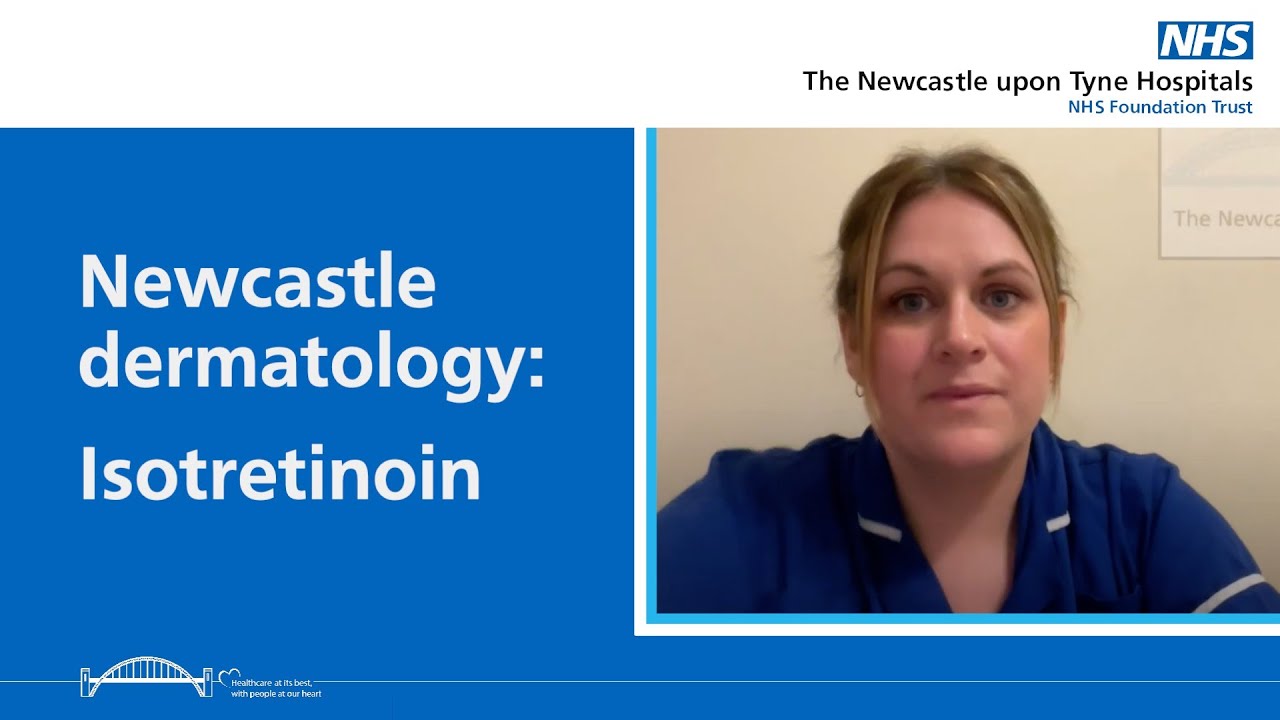
An NHS acne clinic tells its own patients the same. In this 30-second clip, Jackie from the clinic in Newcastle explains why her team wants to hear about sexual side effects.
A change during the course isn’t the same as PAS. The authors of the 2022 checklist say it’s not clear how many sexual problems that start during a course carry on after it ends.
Should I stop Accutane to be safe?
That’s a decision for you and your dermatologist, so talk to them before you change anything. These medicines help many people.
We found no study that tested whether ending a course early lowers the chance of PAS. The UK regulator asks people taking isotretinoin to “seek advice from their healthcare professional if they have any side effects or concerns”. A worry counts. You don’t need a side effect before you call the clinic.
Write down how things are now, with dates. For example: “Isotretinoin 20 mg a day from 3 August 2026. Mood steady, sex drive as usual, no numbness.” If something changes, add it.
Three questions for your dermatologist
- Which changes should I call you about straight away?
- Will you note how my mood and sex life are now?
- If something hasn't gone back to normal after the course, who do I see?
You could start with: “The leaflet says some side effects may continue after stopping. What should I watch for?” More in our questions to ask before starting.

Report it: it helps everyone
A doctor’s note helps you. A report to the medicines regulator helps everyone else: it is how patterns get noticed.
- No proof needed. A suspicion is enough, even years after stopping.
- Where: the Yellow Card scheme in the UK, MedWatch in the US.
- Use the right words. PAS has no medical term yet, so name each symptom and say it continued after stopping.
Our reporting guide walks you through it
What else do people ask?
Is low-dose Accutane safer? We found no study that checked whether a lower dose changes the chance of PAS. Both of Miriam’s courses were low-dose, she says. Our page on low-dose Accutane has more.
I’ve finished and I feel fine. Am I in the clear? Neither the leaflet nor the UK regulator says how long you’d have to wait to be sure. In a few UK reports, erection problems began only after the course ended. If something changes, start with our page for when you think you have PAS.
Is post-Accutane syndrome real? It isn’t a formal diagnosis, and there’s no test for it. But the UK leaflet warns of lasting sexual problems, and in the US, the information for doctors now says they may continue after stopping. Our page Is post-Accutane syndrome real? has the detail.
Miriam didn’t connect her eyes to isotretinoin because she’d already stopped. Keep your dates, and if something changes during or after the course, tell your clinic and report it.
Sources
- Roaccutane 10 mg and 20 mg soft capsules, patient leaflet, Electronic Medicines Compendium (EMC 100633), last revised April 2026. Section 2: “You may not notice some changes in your mood and behaviour”. Also in section 2: the sexual problems listed, “reports of long-lasting sexual problems where the symptoms have continued despite stopping treatment”, and “Talk to your doctor if you experience any sexual problems during treatment”. Dry eyes “not resolving after discontinuation”. Night vision: “In rare cases this has continued after the treatment has stopped”. Section 4: side effects “generally reversible … however some may continue after treatment has stopped”. Very common (more than 1 in 10): dryness of the skin, especially of the lips and face. Signs of depression and related disorders, and “Contact your doctor straight away”. Read 27 October 2026.
- Roaccutane 10 mg soft capsules, Summary of Product Characteristics, EMC. Section 4.4: isotretinoin is “completely eliminated, which is within one month following the end of treatment”; patients asked about sexual dysfunction before treatment and monitored during it.
- NHS, Isotretinoin (Roaccutane), page last reviewed 26 June 2026. Lists problems with sex; on 27 October 2026 it did not say side effects can continue after stopping.
- MHRA, Review of the impact of recommendations for the prescribing of isotretinoin, Public Assessment Report, 22 January 2026. “More information about this medicine”: “Some side effects may continue even after stopping isotretinoin. We do not know how often this happens, or how long those side effects can last.” Also: isotretinoin “works well to treat severe acne”.
- MHRA, Isotretinoin: introduction of new safety measures, Drug Safety Update, 31 October 2023. Prescribers should “monitor patients for side effects including mental health and sexual function side effects at each follow up appointment”.
- MHRA, Isotretinoin: changes to prescribing guidance and additional risk minimisation measures, Drug Safety Update, 22 January 2026. Advice for patients: those already being treated “should continue to follow their agreed treatment plan from their prescriber, but seek advice from their healthcare professional if they have any side effects or concerns”.
- Commission on Human Medicines, Report of the Isotretinoin Expert Working Group, 26 April 2023, published by the MHRA. Section 5.3.4.1 (page 77), on Yellow Card reports of erectile dysfunction: “very difficult to draw conclusions on how dose and treatment duration contribute to this side effect”. Also: “in a few cases, it did not occur until after stopping isotretinoin treatment”, and reports of symptoms continuing “for up to 24 years”. Section 5.6 (page 91): “The registry could help establish risk factors for sexual dysfunction, early signs, possible treatments and reversibility.” Voluntary reports, which “did not always have full information” on dose and dates.
- Healy D, Bahrick A, Bak M and colleagues. Diagnostic criteria for enduring sexual dysfunction after treatment with antidepressants, finasteride and isotretinoin. Int J Risk Saf Med 2022;33(1):65-76. Section 6, post-retinoid sexual dysfunction: “it is not clear what proportion of these problems persist after treatment stops”. Criterion 6: present for 3 months or more after stopping. Effects that “can occur independently of any sexual difficulties”: cognitive impairment, skin, joint and bowel changes, depression, suicidality. Proposed criteria agreed by experts.
- Absorica and Absorica LD (isotretinoin), US prescribing information, revised August 2026, DailyMed. Section 6: “sexual dysfunction that may continue after discontinuation of treatment”.
- Our PubMed searches, 27 October 2026: (isotretinoin OR post-accutane OR post-retinoid) with persistent, enduring or after stopping, and predict*, risk factor* or biomarker* (12 results); “post-accutane syndrome”, “post-retinoid sexual dysfunction” or “post-isotretinoin” (7 results); isotretinoin with low dose or dose, and sexual or persistent effects (30 results). None tested a way to predict who will have lasting effects, or whether ending a course early changes the chance.
- Moral Medicine, From Mild Acne to Severe Dry Eyes, Hair Loss and Infertility: Miriam’s Nightmare After Isotretinoin, interview with Miriam, 13 October 2025 (the title is the channel’s). Mild to moderate acne at 4:18; two low-dose courses from 8:49; few side effects on the first at 9:29; knee pain and “as soon as I finished the medication … it got better” at 12:13 to 12:34; eye problems “just after I finished” at 13:14; finished in January 2023, no contact lenses by May at 13:36; “because I was not taking it anymore” at 14:19. Extract played: 11:52 to 14:25. Quotes from YouTube’s automatic captions. Her story on our site: Miriam’s story.
- Newcastle Hospitals, Newcastle dermatology - Isotretinoin, 29 November 2024. Sexual dysfunction “during and following treatment” at 5:13; “The evidence around this is sparse” at 5:26; “important to let us know” at 5:36. Extract played: 5:13 to 5:43.
Sources checked on 27 October 2026. AI-assisted writing and review, not clinical review.
This information does not replace medical advice. Talk to your doctor before you make any decision about your treatment.
640+ people have joined the registry.
Join them, then report your side effects.
Free. Sign up takes 2 minutes.