Registered UK Patient Charity
Living with
lasting harm
from medication?
- Reuters PFS
- The New York Times PSSD
- The Economist PFS
- BBC News PAS
- CBC / Radio-Canada PFS
- The Guardian PSSD
- Le Parisien PFS
- The Independent PAS
- Daily Mail PFS
- NPR PSSD
- ITV Good Morning Britain PFS
- Channel 4 News PAS
- BBC News PFS
- El País PSSD
- New York Post PFS
- Daily Mail PSSD
- The Telegraph PFS
- VICE PAS
- Der Spiegel PFS
- Corriere della Sera PSSD
- NBC News PFS
- Daily Mail PAS
- VICE PFS
- Globo g1 PSSD
- The Wall Street Journal PFS
- The i Paper PAS
- BBC News PSSD
The patient charity for post-drug syndromes
Multisystem conditions that can start after a common medicine is stopped, and can last for years.
- PFS Post-finasteride syndrome After finasteride (hair loss)
- PSSD Post-SSRI sexual dysfunction After SSRI and SNRI antidepressants
- PAS Post-Accutane syndrome After isotretinoin (acne)
- Other Other post-drug syndromes After a different medicine
- Research We fund independent studies.
- Recognition We push for medical recognition.
- Support We stand by the people affected.
620+ people have joined the registry.
Join them.
Free. Sign up takes 2 minutes.

PFS / PAS / PSSD Summit 2026
In April 2026, Dr. Kenneth Peters held the first medical conference on PFS, PAS and PSSD together. Doctors, researchers and patients were in the same room.
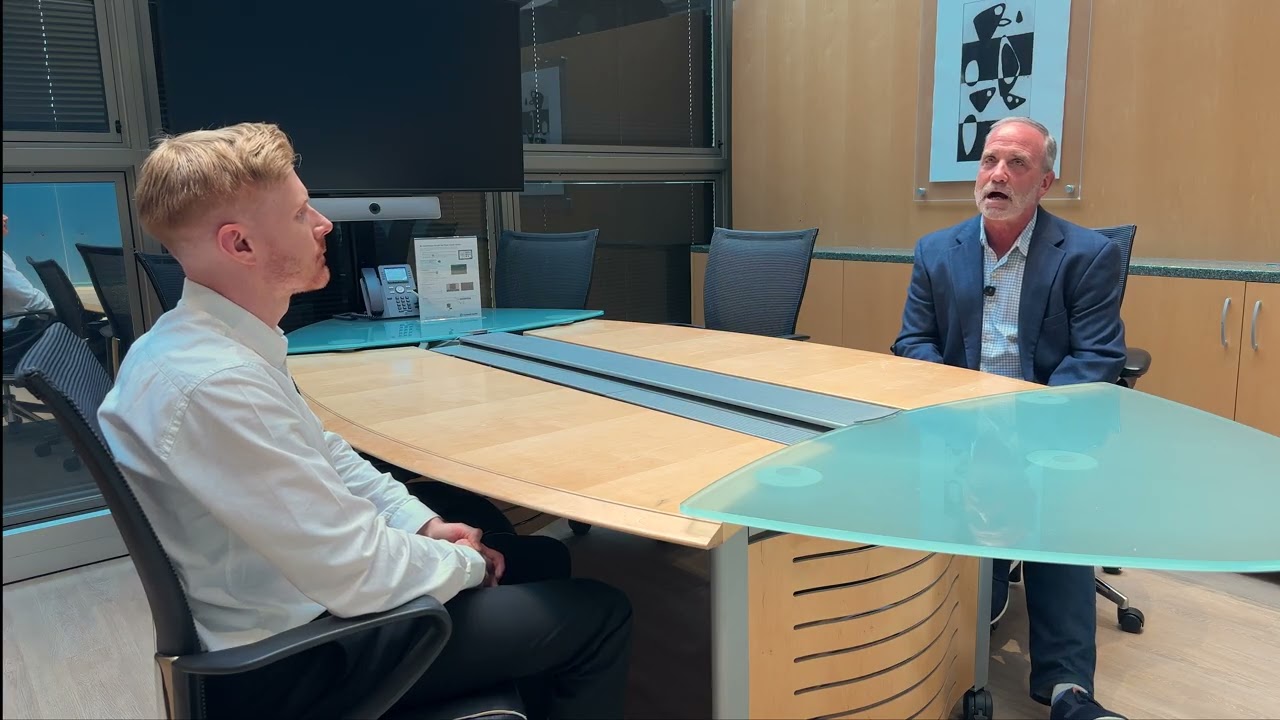










From evidence to treatment
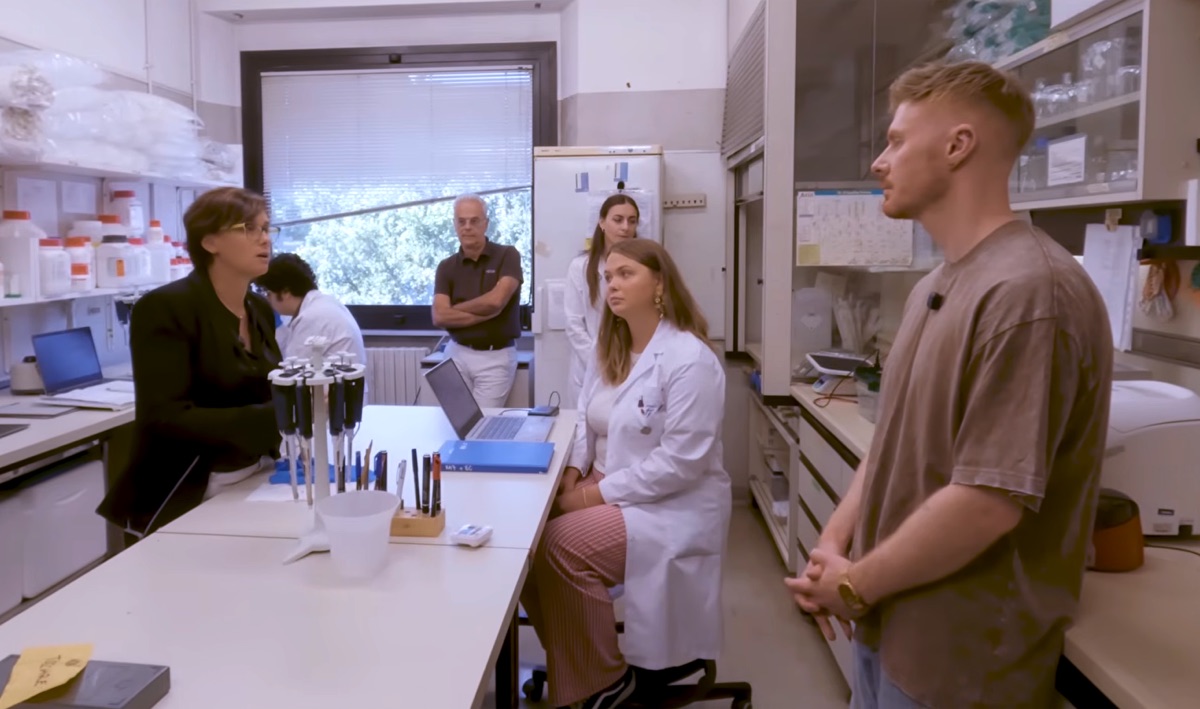
- Seven studies at the University of Milan, led by Professor Roberto Melcangi. Two are already published.
- They map what finasteride and SSRIs change in the brain, the nerves and the gut.
- In rats, a substance the body already makes reversed some of the damage. The next step is a trial in people.
- The research is funded by people living with PFS and PSSD. Your donation helps pay for that next step.
We are not statistics
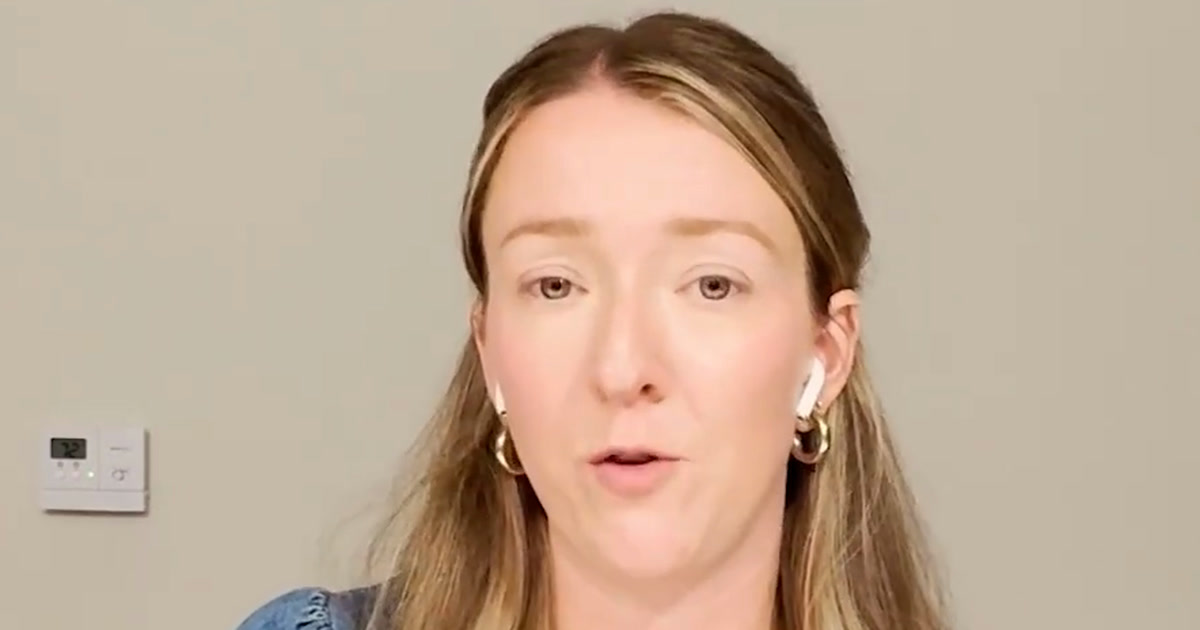 Patient Stories Amanda's story: 6 years on Lexapro Amanda, a nurse in the United States, was prescribed escitalopram at 22 and took it for 6 years. Read more →
 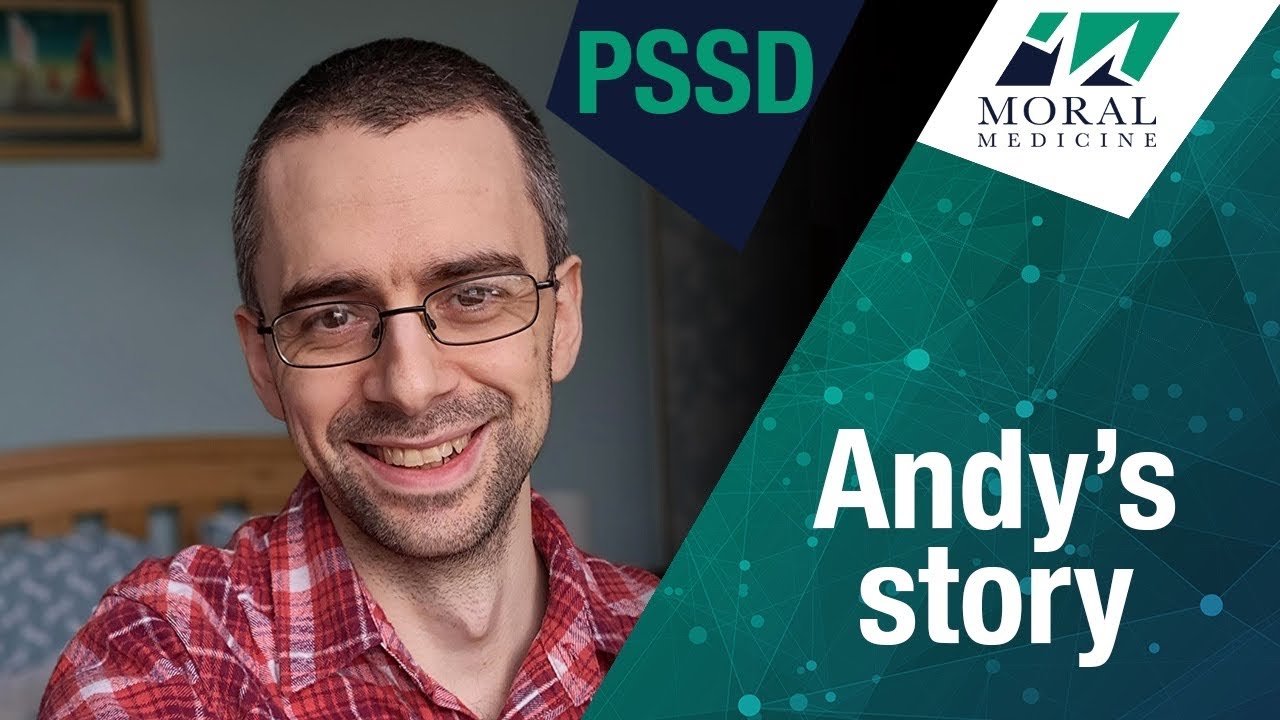 Patient Stories Andy's story: 13 years after citalopram Andy was prescribed citalopram at 23. He describes symptoms that have lasted more than 13 years and go far beyond sexual dysfunction. Read more →
 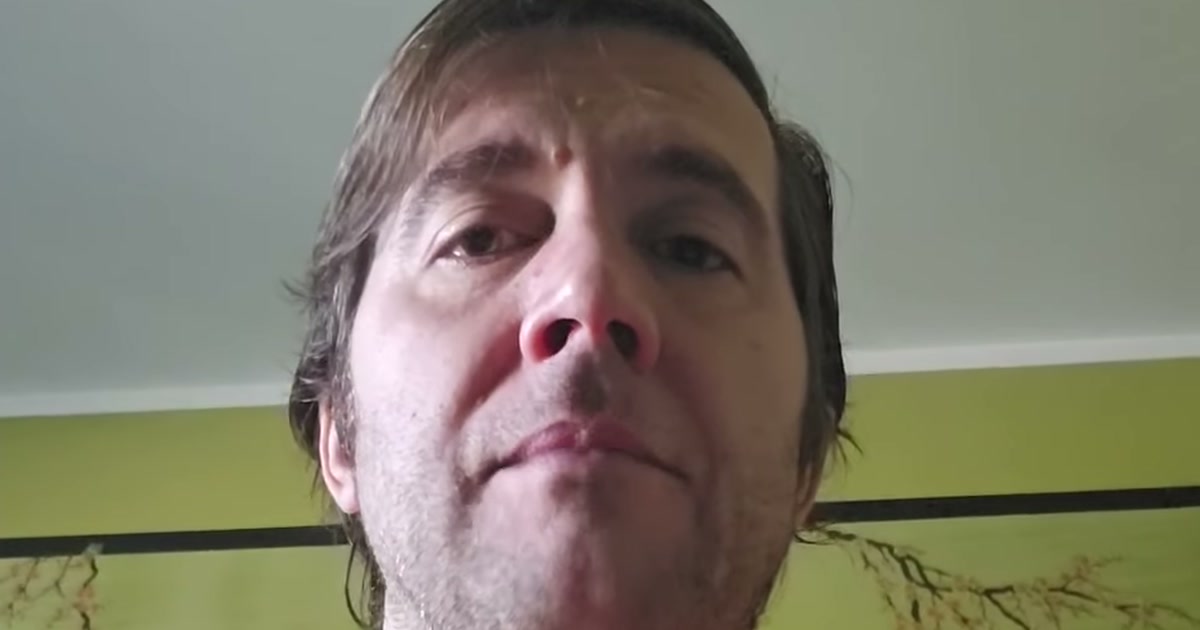 Patient Stories Anthony's story: 11 pills of sertraline Anthony took 11 pills of sertraline (Zoloft) for mild insomnia. Within days, he says, he felt emotionally numb. Read more →
 What you can do now
Join the patient registry
Be counted with others who live with this. It shows researchers and regulators how many people are affected. No diagnosis needed.
620+ people have joined so far
Report a side effect
Regulators can only act on what they know about. We show you the official form for your country and what to write.
Step-by-step guides for 93 countries
Talk to people who understand
Small, private WhatsApp groups where people in our registry support each other.
4 groups by regionUnited Kingdom · Scandinavia · Benelux, France & Italy · US & Canada
Nothing here is medical advice
Do not stop a prescription without speaking to your prescriber. Stopping suddenly carries its own risks. If you are in crisis, the helplines at the foot of this page are answered any hour.