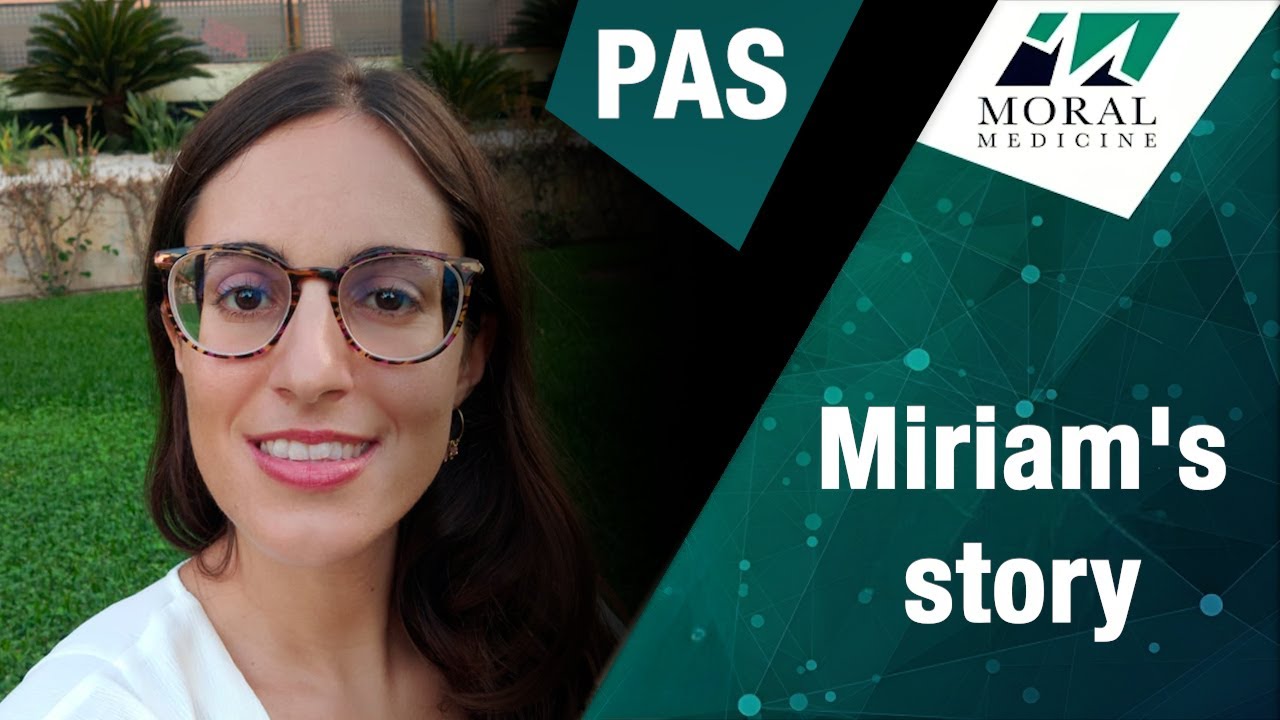
Miriam's story: 2 courses of isotretinoin
Miriam took two courses of isotretinoin (Accutane) for mild acne. She describes dry eyes, bone loss, hair loss and other symptoms.
Do not stop or change a medicine because of anything on this page.
If something you are taking now worries you, raise it with the person who prescribed it.
If you are struggling with your mental health, the Samaritans are on 116 123 in the UK, free, at any hour. In the US, call or text 988.
Two courses of isotretinoin
Miriam describes severe dry eyes, hair loss and other symptoms after taking isotretinoin (Accutane) for mild acne. She is president of an association in Spain for people affected by the drug.
She describes her life before it as vibrant and active, and full of energy. She says everything changed after two courses of isotretinoin.
Moral Medicine files her story under Post-Accutane Syndrome (PAS).
What Miriam describes
- Severe dry eye disease.
- Joint and back pain.
- Osteopenia, which means lower bone density than normal.
- A loss of ovarian reserve, the supply of eggs in the ovaries.
- Hair loss.
- Digestive problems, and dryness of the mucous membranes.
She also talks about what she sees as a lack of true informed consent, and says patients are not warned that side effects may be permanent. She describes the stigma, disbelief and emotional toll that people face when doctors do not take their symptoms seriously.
The interview also covers advocacy, working with people in other countries, and speaking up for Post-Accutane Syndrome (PAS) to be recognised.
Thank you to Miriam for telling this story. This interview was recorded by Moral Medicine, who have filmed more than ninety of these conversations.
If this is your story and you would rather it was not here, write to contact@sidefxhub.com. We will take the page down within 48 hours, and you do not have to tell us why.
This information does not replace medical advice. Talk to your doctor before you make any decision about your treatment.
590+ people have joined the community.
Join them, then report your side effects.
No diagnosis needed. Researchers never see your name.