Accutane anxiety: can it last after stopping?
Accutane (isotretinoin) can cause anxiety, its UK leaflet says, and stopping may not end it. Some people with PAS say it stayed after the course.
SIDEfxHUB is a patient charity. We are not health professionals, and this does not replace medical advice. Don't start, stop or change any medicine because of what you read here. Talk to your doctor first.
If you are in crisis:116 123 Samaritans (UK)988 Lifeline (US)Find a helpline
Accutane (isotretinoin, sold in the UK as Roaccutane) can cause anxiety, says its UK leaflet, which warns that stopping it “may not be enough to stop the effects”. Anxiety that stays after the course is one of the lasting problems people describe in post-Accutane syndrome, or PAS.
PAS isn’t only a sexual problem. In 2022, doctors and researchers wrote a checklist for problems that last after isotretinoin and two other kinds of medicine. They say people seem to use the name PAS just as often for problems with concentration and memory, with no sexual problems at all. They also list depression and changes in the skin, joints and bowel.
The NHS page on isotretinoin doesn’t mention anxiety at all. Doctors see it, though. In 2023, a UK expert review of the medicine looked at doctors’ accounts and published reports. Both said anxiety turns up in clinic more often than depression.
The story in 3 lines
- The UK leaflet lists anxiety among the signs of depression and related disorders that isotretinoin can cause.
- If those problems appear, it warns, stopping the medicine “may not be enough to stop the effects”.
- Nobody has measured how often anxiety lasts after the course. Patients call it PAS.
Press: contact@sidefxhub.com
Joseph was 13 when he took isotretinoin for severe acne. Five months of capsules gave him dry lips, and in his head, he says, everything was fine. Then, six or seven months after the course, the panic attacks began: four evenings in a row, on a ski holiday with his parents.

Before the medicine, he says, he was “quite calm and reserved, not especially anxious”. Afterwards the smallest stress felt “like an explosion” inside him.
Can Accutane cause anxiety?
Yes, its official information says it can. The UK leaflet lists anxiety as a sign of “depression or related disorders”. The US information for doctors lists anxiety, nervousness and trouble sleeping among side effects people have reported.
When studies measure anxiety with questionnaires, scores often fall during the course, while the skin clears. In one 2026 study in Turkey, people’s anxiety scores rose in the first month, then fell by the third. An average like that can still hide the people who got worse.
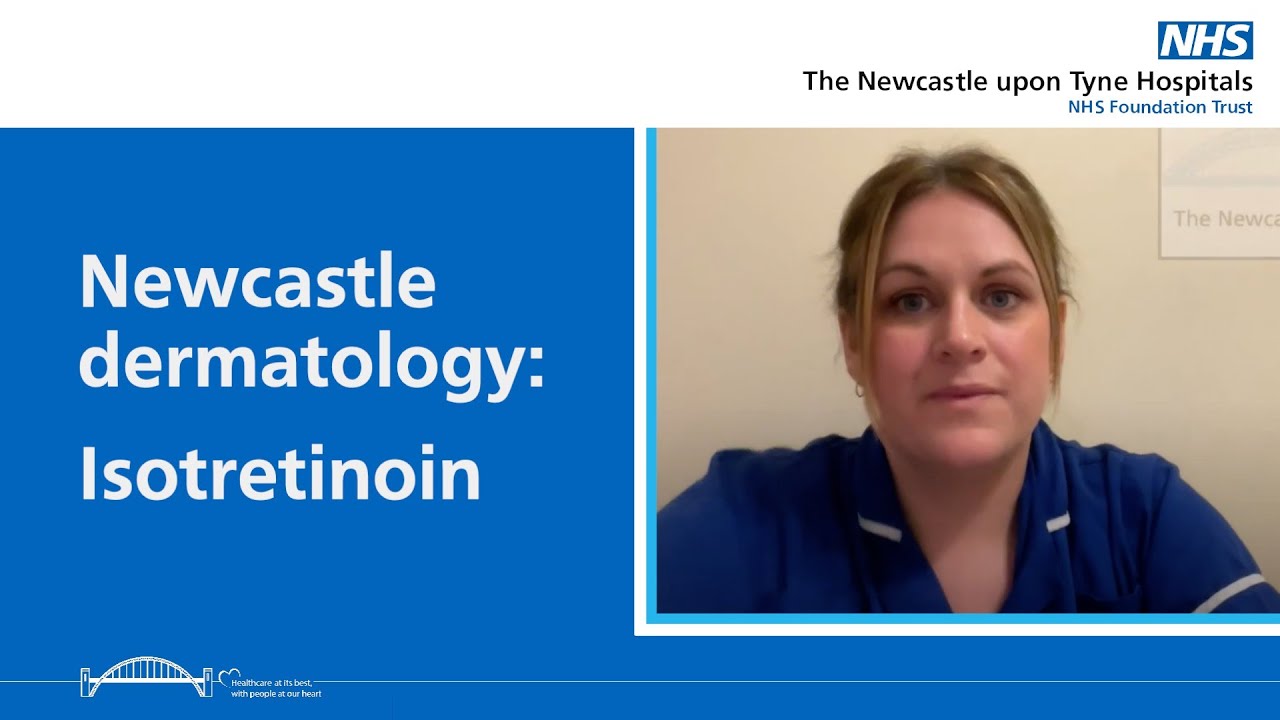
Watch the half-minute below to hear what an NHS skin clinic in Newcastle tells people starting a course: a link isn’t proven, but reports of anxiety and low mood are taken seriously.
What does Accutane anxiety feel like?
At its worst, Joseph says, it was an intense anxiety that wouldn’t leave. It wasn’t depression in the sense of feeling “useless”, he says. It was as if “the whole nervous system” reacted far too strongly to small things.
He also describes feeling unreal, as if he were in “another dimension”, cut off from the world around him. There were times, he says, when he thought: “I’m going mad.”
The UK leaflet’s words are vaguer: “sad or altered mood, anxiety, feelings of emotional discomfort”. If your anxiety came with feeling flat or foggy, read what PAS feels like. People who took finasteride, a hair-loss tablet, describe anxiety that stayed too.
Can anxiety start or last after stopping Accutane?
For some people it seems to, and doctors may doubt it when it does.
The drug itself is gone within a month of the last dose, UK documents say. So anxiety that starts or stays months later isn’t leftover medicine. Joseph says any doctor you see about it will call that impossible, because “the medicine isn’t in you any more”.
The 2023 UK expert review found anxiety was the third most common mental health problem in side-effect reports sent to the UK regulator. One person who wrote to the review said their problems “began with anxiety” and led on to OCD and severe depression. They asked for patients to be told about “long term effects beyond treatment”.
Joseph's anxiety, after the last capsule
For some people it has lasted years after stopping. Nobody knows yet who will be affected, or whether it will ease.
What can I do?
These medicines help many people. If you have side effects, that’s a decision for you and your prescriber.
During a course, the UK leaflet says to contact your doctor straight away if you notice signs of mental problems. It also says “you may need more help, and your doctor can arrange this.” Tell friends and family you’re taking it, the leaflet asks: they may notice changes before you do.
Your doctor will want to rule out other causes, and dates help. Write down when the anxiety began: before, during or after the course. Add what you were like before. Something like: “Isotretinoin 20 mg a day from January 2024, last capsule June 2024. Panic attacks since December 2024. None before.”
Three questions for your GP
- Could this anxiety be linked to my isotretinoin course?
- What else should we rule out?
- What support can you arrange while we find out?
You could start with: “The isotretinoin leaflet lists anxiety and says stopping may not be enough. Mine started after my course and hasn't gone.”
Many people say it took time to be taken seriously. Bring the leaflet line. You can report it without a doctor agreeing. I think I have post-Accutane syndrome takes you through the appointment.
Report it: it helps everyone
A doctor’s note helps you. A report to the medicines regulator helps everyone else: it is how patterns get noticed.
- No proof needed. A suspicion is enough, even years after stopping.
- Where: the Yellow Card scheme in the UK, MedWatch in the US.
- Use the right words. PAS has no medical term yet, so name the symptom, such as anxiety or panic attacks, and say it continued after stopping.
Our reporting guide walks you through it
What else do people ask?
Could it be my acne, or something else? It could. Acne itself is linked to anxiety. And the 2022 checklist doesn’t list anxiety among the lasting problems. Lasting sexual problems can feed it too: the UK review called them “upsetting and distressing”, and said they could cause anxiety themselves. If your mood dropped as well, read Accutane and depression after stopping.
Can Accutane cause panic attacks? The US information for doctors lists them among reported side effects. One published case describes a 20-year-old man in Chile whose panic attacks began after isotretinoin for acne. One case can’t show how often it happens.
Does Accutane anxiety go away? Some people say it has eased. Joseph says his symptoms are still there but “much milder”. Does post-Accutane syndrome go away? has more, and so does our page on post-Accutane syndrome.
Joseph spent more than ten years before he linked his panic attacks to the capsules he took at 13. If your anxiety began on or after a course, report it: a Yellow Card report puts your dates on record.
Sources
- Roaccutane 10 mg soft capsules (isotretinoin), patient leaflet, Electronic Medicines Compendium (EMC 100633), last revised April 2026. Section 2, “Mental health problems”: “it is very important that you tell your friends and family that you are taking this medicine. They may notice these changes”. Section 4, “Mental problems”, frequency not known: “Depression or related disorders. Signs of this include sad or altered mood, anxiety, feelings of emotional discomfort”. “Contact your doctor straight away if you get signs of any of these mental problems. Your doctor may tell you to stop taking Roaccutane. That may not be enough to stop the effects: you may need more help, and your doctor can arrange this.”
- Roaccutane 10 mg soft capsules, summary of product characteristics, EMC 100633, revised 27 April 2026. Section 4.4, psychiatric disorders: anxiety among the reactions reported; “Discontinuation of isotretinoin may be insufficient to alleviate symptoms and therefore further psychiatric or psychological evaluation may be necessary”. Section 4.4, pregnancy: the drug is “completely eliminated” within one month of the end of treatment. Section 4.8 lists anxiety as rare (up to 1 in 1,000 people), from trial and post-marketing data during treatment.
- Absorica and Absorica LD (isotretinoin), US prescribing information and Medication Guide, revised August 2026. DailyMed, US National Library of Medicine. Section 6, reactions from clinical trials or postmarketing reports, psychiatric: “insomnia, anxiety, depression, irritability, panic attack”, among others; their frequency and cause cannot always be established. As of October 2026 the Medication Guide’s list of warning signs does not name anxiety.
- NHS, Isotretinoin (Roaccutane), page last reviewed 26 June 2026. Serious side effects include “mental health problems including hallucinations, psychosis, or thoughts of suicide or self-harm”. As of October 2026 the page does not mention anxiety.
- Healy D, Bahrick A, Bak M and colleagues. Diagnostic criteria for enduring sexual dysfunction after treatment with antidepressants, finasteride and isotretinoin. Int J Risk Saf Med 2022;33(1):65-76. Proposed criteria agreed by an expert panel. Isotretinoin effects that “can occur independently of any sexual difficulties” include cognitive impairment, skin, joint and bowel changes, depression and suicidality. The term PAS “equally often appears to include suicidality and other cognitive effects without sexual difficulties”. Anxiety is not on the list.
- Commission on Human Medicines, Report of the Isotretinoin Expert Working Group, 26 April 2023, published by the MHRA. Section 4.2: anxiety the third most often reported psychiatric reaction in UK Yellow Card reports (118 reports; 164 in the anxiety disorders group, to 20 May 2021). Section 4.2.5.2: published reports and accounts from healthcare professionals “highlighted that emergence of anxiety is more often seen in clinical practice than depression”. A comment received through the call for information: “It began with anxiety…”. It adds that patients “should be openly counselled on the risks and potential for long term effects beyond treatment”. Section 5.3.6: sexual dysfunction “is upsetting and distressing and could itself cause anxiety and depression”. Voluntary reports show what people describe, not how often it happens.
- Celik C, Celik MS. Evaluation of depression, anxiety, and sleep quality in patients with acne vulgaris receiving isotretinoin treatment. Hum Psychopharmacol 2026;41(2):e70036. 155 patients in Turkey, followed for the first three months of treatment; people with past psychiatric disorders excluded. Abstract: “A transient increase in depressive and anxiety symptoms was observed during the first month of treatment”. It was “followed by a significant improvement by the third month.” Read as an abstract only.
- Poblete AC, Herskovic MV, Eva CP. Panic attacks in a patient treated with isotretinoin for acne. Report of one case. Rev Med Chil 2006;134(12):1565-7. In Spanish; read as an abstract only.
- Newcastle upon Tyne Hospitals, Newcastle dermatology: Isotretinoin, film for patients, 29 November 2024. Extract 3:57 to 4:25: “it has not yet been established whether isotretinoin definitely causes mood disturbance but it is important that we take this seriously”; reported experiences “including anxiety, low mood, depression”. From 4:51 the film adds that people with acne are more likely to have anxiety and depression.
- Moral Medicine, French Patient Shares His Long-Term Struggle After Accutane (isotretinoin), interview with Joseph, 17 November 2025, in French. Quotes are our translation from the French auto-captions. Five months at 20 mg, dry lips, “mentalement tout allait bien” (1:09 to 1:31). Panic attacks “6 7 mois après la fin du traitement”, on a ski holiday, four evenings in a row (1:37 to 1:56). “Calme et réservé mais pas spécialement d’angoissé” (2:13). “Comme si j’avais une explosion” (3:04). “Une autre dimension” (3:20). Doctors “vont dire c’est impossible … Le médicament n’est plus en vous” (6:20 to 6:30). “Une angoisse en permanence extrêmement intense qui ne partait pas” (7:23). “Très atténué” (7:58). “C’est pas une dépression dans le sens je suis nul” (16:58). “Tout le système nerveux réagit extrêmement fort” (17:15). “Je suis en train de devenir fou” (18:17). “Plus de 10 ans à comprendre que ça venait du médicament” (18:29). His story on our site: Joseph’s story: isotretinoin at 13.
Sources checked on 27 October 2026. AI-assisted writing and review, not clinical review.
This information does not replace medical advice. Talk to your doctor before you make any decision about your treatment.
640+ people have joined the registry.
Join them, then report your side effects.
Free. Sign up takes 2 minutes.