What causes post-Accutane syndrome?
What isotretinoin does inside your cells, the theories about post-Accutane syndrome (PAS) that follow from it, and what has been tested so far.
Wondering how an acne medicine could leave problems behind once the course is over? Nobody knows yet what causes post-Accutane syndrome (PAS), when side effects of isotretinoin (Accutane) carry on after the last capsule.
The main theories start with how the drug works: it switches genes on and off, and your brain has the docking points it locks onto, called receptors.
In 2023, experts advising the UK medicines regulator gave a whole chapter to how isotretinoin works. On how it might cause side effects, they offered theories.
Elliot took Accutane at 17. In this clip he wonders whether the drug did lasting damage or is still in his system. His interviewer, who has post-finasteride syndrome (PFS) after a hair-loss drug, raises a third idea, about genes.

Whether the drug is still there is easy to check. Isotretinoin doesn’t stay long. Your body’s vitamin A acids are back to their usual levels about two weeks after the last capsule, says the UK information for doctors. Little is known about how much reaches the tissues, it adds.
So researchers look for something the drug changed and left behind.
How does isotretinoin work?
It switches genes on and off, which makes the oil glands in your skin shrink.
Isotretinoin is a relative of vitamin A. Inside your cells, it’s thought to turn into retinoic acid, a vitamin A acid your body makes anyway. That acid locks onto receptors in the cell’s control centre, its nucleus, and changes which genes are read.
In the oil glands, cells then die off on purpose, a normal process in the body. The glands shrink and the acne clears.
The UK experts wrote that the same chain makes other kinds of cells die off too, which “may account for the wide range of potential side effects”.
As background, an NHS skin clinic explains the basics:
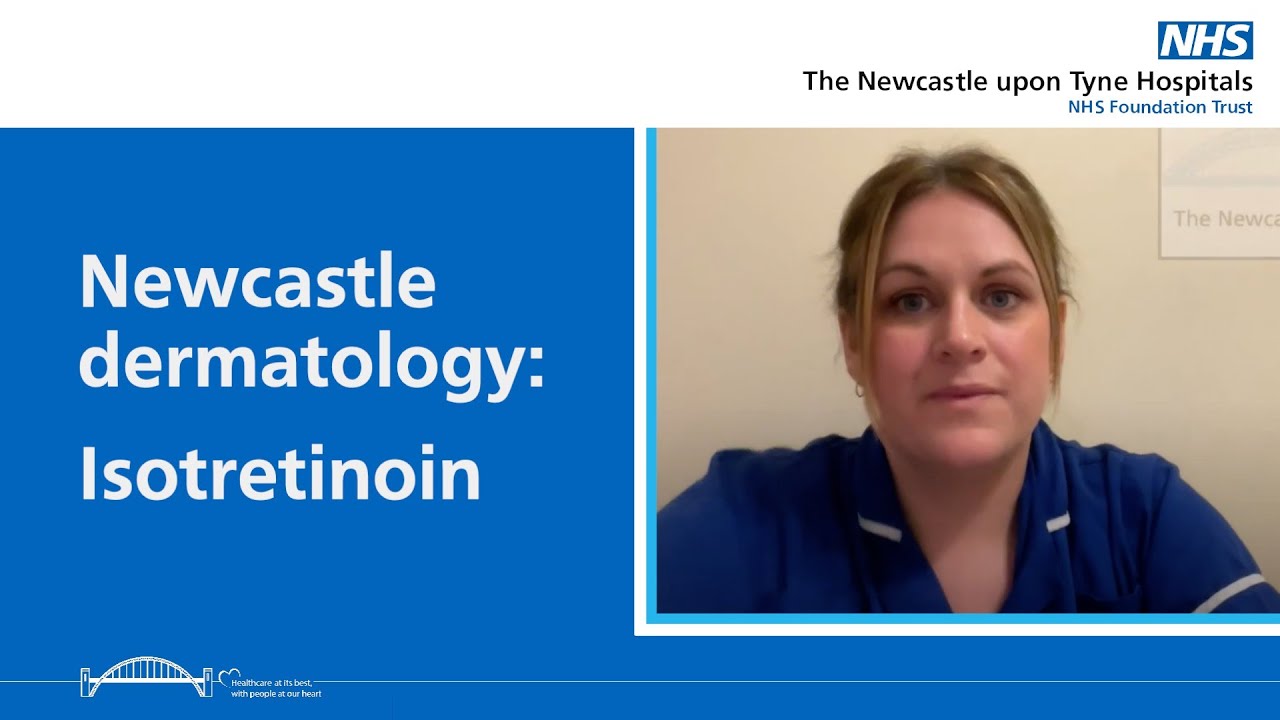
How isotretinoin clears acne
Isotretinoin becomes retinoic acid and fits into receptors.
Some genes are switched on, others off.
Their cells die off, so less oil is made.
The story in 3 lines
- The UK leaflet warns of “long-lasting sexual problems where the symptoms have continued despite stopping treatment”.
- UK experts said in 2023 it isn't clear whether the drug's effects on cells last once it has gone (expert report).
- No published study has tested the theories in people with PAS. The closest we found, in October 2026, was a 2025 study of three men.
Press: contact@sidefxhub.com
Could it leave a lasting mark on your genes?
Possibly. As of October 2026, we found no study looking for one in people with PAS.
This is the idea Elliot’s interviewer raises: epigenetics, chemical marks on your genes that change how they’re read without changing the genes themselves. Some marks can stay long after whatever set them has gone.
In 2009, two researchers proposed that everyday medicines might leave marks like these, and named isotretinoin as one that could. They called it a hypothesis.
The UK experts raised the same possibility in 2023: could “an epigenetic effect” explain why some side effects carry on after the course? From the data they had, they couldn’t say.
What might it change in the brain and body?
There are signs it can change the brain while you’re taking it. We found no published study scanning people with PAS after they stopped.
PAS often means lasting sexual problems, such as less feeling in the genitals. But researchers who drew up a checklist for the sexual side in 2022 say the name is just as often used for suicidal thoughts and problems with concentration and memory, with no sexual problems at all. If you’re having thoughts like that, the Samaritans are on 116 123 in the UK.
In a small US study from 2005, people had brain scans before and after four months of acne treatment. On isotretinoin, an area at the front of the brain linked with depression became less active. On an antibiotic, it didn’t. But the two groups’ depression scores didn’t differ.
A 2004 study in mice found brain changes (see Accutane and brain fog). The UK experts listed four ways isotretinoin could “theoretically” lead to depression. Two work through serotonin and dopamine, chemicals nerve cells use to signal.
For the sexual problems, one idea is lower testosterone. The experts found the results “conflicting” (more in Accutane and testosterone). They found no data on cells dying off in the genitals or their nerves.
Dr Kenneth Peters, a US urologist, has looked at those nerves. Using a scan of the nerves in the eye, his team found signs of nerve damage in two of three men with lasting problems after finasteride, an SSRI antidepressant such as sertraline, or isotretinoin. The study’s summary doesn’t say which medicine each man took. Here he describes it:

None of this proves isotretinoin causes PAS. The UK experts concluded in 2023 it was “not possible to say” that it definitely caused many of the mental health and sexual side effects reported. Who is researching PAS, PFS and PSSD lists the teams trying to find out.
What can I do?
Isotretinoin helps many people with severe acne, which can scar. If you have side effects, that’s a decision for you and your prescriber.
Your GP can record what happened and check for other explanations, even though nobody knows why. Give your dates: “Isotretinoin 30 mg a day from March 2024, last capsule September 2024. Low mood and genital numbness since then.”
Three questions for your GP
- Could anything else explain this, and how would we check?
- Can you record it as a suspected side effect of isotretinoin?
- Will you report it to the Yellow Card scheme, or should I?
You could start with: “The leaflet says sexual problems have sometimes carried on after stopping. Nobody knows exactly why, but I think it's happening to me.”
Report it: it helps everyone
A doctor’s note helps you. A report to the medicines regulator helps everyone else: it is how patterns get noticed.
- No proof needed. A suspicion is enough, even years after stopping.
- Where: the Yellow Card scheme in the UK, MedWatch in the US.
- Use the right words. PAS has no term of its own in the regulators’ dictionary yet, so name each symptom and say it continued after you stopped isotretinoin.
Our reporting guide walks you through it
What else do people ask?
Why do only some people get PAS? Nobody knows. One idea is the genes you inherit. In a 2013 study in Jordan, small differences in one receptor gene were linked with some side effects during treatment, such as joint pain. The UK experts said this needs checking. There’s no test available for it, and no blood test or scan diagnoses PAS (see PAS and blood tests).
Is PAS caused the same way as PFS and PSSD? Nobody knows. Isotretinoin acts a little like finasteride, and a little like the SSRI antidepressants linked to post-SSRI sexual dysfunction (PSSD). But the 2022 checklist’s authors say it’s “not clear” whether either action is to blame. Compare all three in what PAS, PFS and PSSD share.
When Elliot was filmed, he didn’t know what had changed in him. Nobody does yet. If something changed for you on isotretinoin and is still different, read more about post-Accutane syndrome and report it, however long ago your last capsule was.
Sources
- Commission on Human Medicines, Report of the Isotretinoin Expert Working Group, 26 April 2023, published by the MHRA. Section 3.1: isotretinoin “is a vitamin A derivative”. Retinoids bind to retinoic acid receptors, “altering transcriptional activity”. “It is proposed that many of the effects of isotretinoin are mediated by all-trans retinoic acid (ATRA) after isomerisation of the 13-cis isomer”. Sebum suppression is “thought to be based primarily on sebocyte apoptosis”. Section 3.2.1.1.1: retinoic acid receptors are expressed in the adult hippocampus, thalamus and pons, and in the striatum, hypothalamus and medulla. Section 3.2.2.1: mechanisms for sexual dysfunction “are theoretical”. Results for the different androgens “are conflicting”. “No data on the role of isotretinoin induced apoptosis of cells in or innervating the reproductive tract were identified”. Section 3.1.1: it is unknown whether the effect is limited to treatment or continues “via epigenetic changes”. Section 3.3: the cascade ends in “apoptosis of not just target sebocytes but a variety of other cells, which may account for the wide range of potential side effects associated with isotretinoin”. “It is not clear from the available data whether the effects on the apoptosis cascade persist once isotretinoin is removed”. Nor is it clear whether this mechanism “can explain the reported continuance of some side effects beyond the treatment period through an epigenetic effect”. Also section 3.3: “There are 4 main mechanisms identified by which isotretinoin can theoretically lead to depression”. They are hippocampal cells, serotonin, dopamine and the hypothalamo–pituitary axis. Sections 3.1.2 and 3.2.1.1.3: the RARA gene study “requires further validation”, and there is “no commercially available test”. Section 4.5: “Research is still needed into the mechanism of psychiatric side effects with isotretinoin”.
- MHRA, Outcome of the expert review of the safety of isotretinoin, 26 April 2023: “it was not possible to say that isotretinoin definitely caused many of the short-term or long-term psychiatric and sexual side effects”.
- Roaccutane 10 mg soft capsules, summary of product characteristics, Electronic Medicines Compendium (EMC 100633), text revised 27 April 2026. Section 5.1: “The exact mechanism of action of isotretinoin has not yet been elucidated in detail”; improvement linked to “a histologically demonstrated reduction in the size of the sebaceous glands”. Section 5.2: “endogenous retinoid concentrations are reached within approximately two weeks following the end of isotretinoin therapy”; “In humans little information is available on the distribution of isotretinoin into tissue.”
- Roaccutane 10 mg and 20 mg soft capsules, patient leaflet, EMC 100633, last revised April 2026. Section 1: “a substance related to vitamin A”. Section 2: sexual problems include “reduced sensation in the genitals”; “There have been reports of long-lasting sexual problems where the symptoms have continued despite stopping treatment with isotretinoin. Talk to your doctor if you experience any sexual problems during treatment.”
- NHS, Isotretinoin capsules, page last reviewed 26 June 2026. Lists problems with sex as a side effect; no section on how the medicine works.
- Healy D, Bahrick A, Bak M and colleagues. Diagnostic criteria for enduring sexual dysfunction after treatment with antidepressants, finasteride and isotretinoin. Int J Risk Saf Med 2022;33(1):65-76. Proposed criteria from an expert panel, not an official diagnosis. Section on post-retinoid sexual dysfunction: isotretinoin “has both serotonin reuptake inhibiting and 5 alpha-reductase inhibiting properties”. The authors say it is “not clear” whether the problem comes from either action. “The term Post-Accutane Syndrome (PAS) is in widespread use and often refers to what is termed PRSD here.” It “equally often appears to include suicidality and other cognitive effects without sexual difficulties”.
- Csoka AB, Szyf M. Epigenetic side-effects of common pharmaceuticals: a potential new field in medicine and pharmacology. Med Hypotheses 2009;73(5):770-80. A hypothesis paper. Abstract: “An example of an indirectly acting drug is isotretinoin, which has transcription factor activity”; “any epigenetic side-effect caused by a drug may persist after the drug is discontinued”. Abstract read only.
- Bremner JD, Fani N, Ashraf A and colleagues. Functional brain imaging alterations in acne patients treated with isotretinoin. Am J Psychiatry 2005;162(5):983-91. Emory University. Brain scans before and after 4 months of isotretinoin (13 people) or an antibiotic (15). Decreased metabolism in the orbitofrontal cortex on isotretinoin (−21%) against the antibiotic (2%); no difference in depressive symptoms between groups. Abstract read only; during treatment, not after stopping. PubMed lists a 2008 erratum (not read).
- Crandall J, Sakai Y, Zhang J and colleagues. 13-cis-retinoic acid suppresses hippocampal cell division and hippocampal-dependent learning in mice. Proc Natl Acad Sci U S A 2004;101(14):5111-6. A clinical dose (1 mg/kg a day) in mice. Abstract read only.
- Stachelek J, Zwaans BMM, Shtein R, Peters KM. Insights into the peripheral nature of persistent sexual dysfunction associated with post-finasteride, post-SSRI and post-accutane syndromes: lessons learned from a case study. Int Urol Nephrol 2025;57(8):2387-94. Corewell Health William Beaumont University Hospital, Michigan. A review of the records of three men. “The underlying mechanism of this post-drug syndrome is unknown.” “Peripheral neuropathy was noted in two patients via corneal confocal microscopy, however central symptoms remain.” Abstract read only. It does not say which medicine each man had taken. Not a controlled study.
- Alzoubi KH, Khabour OF, Hassan RE and colleagues. The effect of genetic polymorphisms of RARA gene on the adverse effects profile of isotretinoin-treated acne patients. Int J Clin Pharmacol Ther 2013;51(8):631-40. Jordan University of Science and Technology, 300 patients. Variants in RARA linked with joint and muscle pain, nosebleeds and headache; one variant “protective against developing depression”. Abstract read only.
- PubMed searches on 28 October 2026: “post-accutane”, “post-retinoid” or “post-isotretinoin” in title or abstract (10 results), isotretinoin with persistent, enduring or persisting sexual or erectile problems (6 results), and isotretinoin with brain-imaging terms such as PET, SPECT or MRI (49 results). Apart from source 10, none tested a cause in people with lasting problems after isotretinoin, and none scanned the brains of people with PAS.
- Moral Medicine, He Took Accutane at 17. His Life Never Returned to Normal., interview with Elliot, 28 January 2025 (the title is the channel’s). Embedded from 9:14 to 9:58. From YouTube’s automatic captions: “that could either be damage, outright damage, or the drug remaining in your system” (9:21 to 9:31); the interviewer, who has PFS: “I’m not entirely sure, obviously” (9:56). His story on our site: Elliot’s story: Accutane at 17.
- Newcastle Hospitals, Newcastle dermatology - Isotretinoin, 29 November 2024. From 0:30: “Isotretinoin is a vitamin A derivative which works by reducing sebum production”. Embedded from 0:00 to 0:43.
- SIDEfxHUB, Interview with Dr. Kenneth Peters, PFS / PAS / PSSD Summit 2026, April 2026. From YouTube’s automatic captions: a case series “on like three patients”; microscopy of the cornea “showed, you know, uh nerve damage in that area suggesting like this small fiber neuropathy” (6:19 to 6:31). Embedded from 6:19 to 6:45.
Sources checked on 28 October 2026. AI-assisted writing and review, not clinical review.
640+ people have joined the registry.
Join them, then report your side effects.
Free. Sign up takes 2 minutes.