My child has post-Accutane syndrome: what now?
If your child hasn't been the same since isotretinoin (Accutane), it may be PAS. How to help them see a GP, and how to report it for them.
SIDEfxHUB is a patient charity. We are not health professionals, and this does not replace medical advice. Don't start, stop or change any medicine because of what you read here. Talk to your doctor first.
If you are in crisis:116 123 Samaritans (UK)988 Lifeline (US)Find a helpline
If your child hasn’t been the same since a course of isotretinoin (Accutane), it may be post-Accutane syndrome, or PAS. The UK leaflet says some side effects “may continue after treatment has stopped”, and you can report them to the UK medicines regulator, with your child’s permission.
PAS is more than a sexual problem. A group of doctors and researchers proposed a checklist for it in 2022. They say it can include depression, suicidal thoughts and problems with concentration and memory, even with no sexual symptoms at all. If your child is struggling, Samaritans are on 116 123 in the UK.
You may have been the first to notice. The UK Roaccutane leaflet expects that. It asks patients to tell their family they’re taking it, because people don’t always see changes in their own mood. Their family, it says, “may notice these changes”.
The story in 3 lines
- The UK leaflet says isotretinoin's side effects usually go away, “however some may continue after treatment has stopped” (leaflet).
- The UK medicines regulator says it doesn't know how often that happens, or how long it lasts (MHRA, 2026). Patients call it PAS.
- The UK's Yellow Card scheme names parents and carers among the people who can report a side effect (Yellow Card).
Press: contact@sidefxhub.com
Joseph, from France, was 13 when he took isotretinoin for severe acne. It was his parents who booked the dermatologist. Months after the course ended, he began having panic attacks.
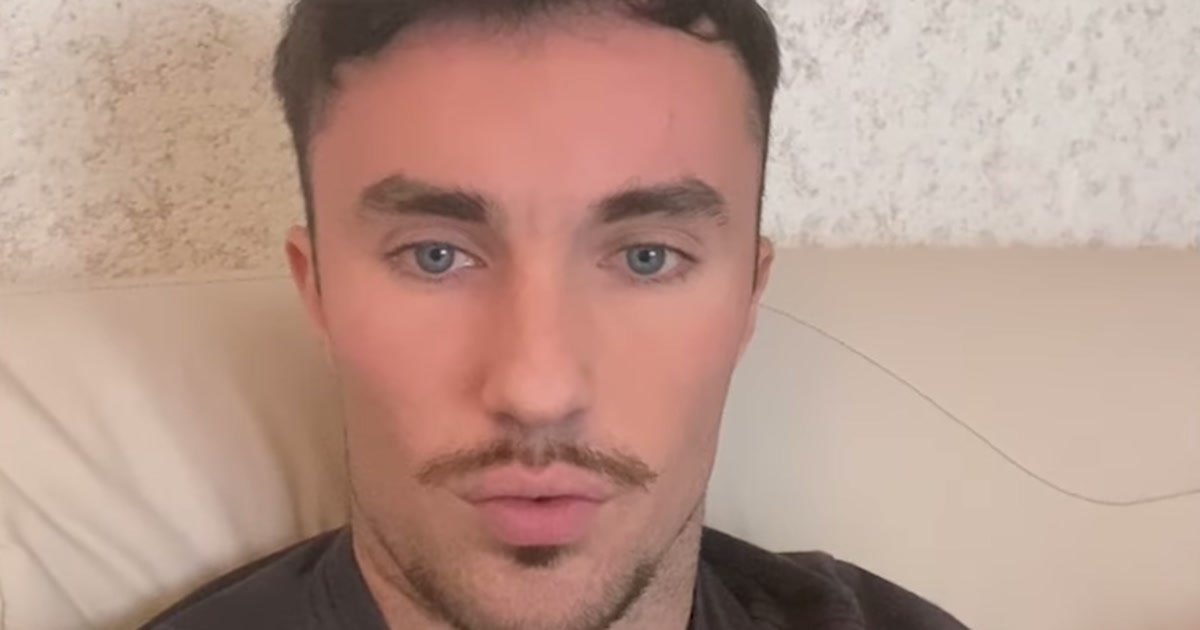
It’s in French. We chose this part because it’s about his parents. At 18, just starting his studies, he felt completely lost. “Luckily, my parents understood that something was wrong,” he says (our translation). At first he wasn’t sure it was the medicine, because it began months later.
How do I know if it’s post-Accutane syndrome?
There’s no test for it. Doctors go by what changed and when, and they rule out other causes first, such as another illness or medicine. That’s what the 2022 checklist asks them to do.
Other things can look similar. People with acne are more likely to have anxiety and depression, whether or not they take isotretinoin, says a UK guide for young people.
This is where you can help most. You know how your child was before the course. Write it down with rough dates, in plain words:
“Roaccutane 20 mg a day, March to August 2019, aged 15. Panic attacks from early 2020. Stopped seeing friends. Says everything feels flat.”
Our page on how PAS is diagnosed explains why notes from before the course matter. For the symptoms in people’s own words, see what PAS feels like.
Is it my fault for saying yes to Accutane?
Joseph doesn’t think so. He knows his parents blame themselves. But he was 13, and they didn’t know what could happen months or years later. “I don’t hold it against them at all,” he says.
It can be very hard to watch your child struggle after a medicine you agreed to. You can’t go back and change that decision. You can help with what comes next.
How can I help my child see a GP?
Help them get there, and let them lead. In England, young people of 16 or 17 are assumed to be able to make their own decisions about treatment, the NHS says. Younger children can too, if they’re believed to understand fully what’s involved.
So if your child is 16 or over, the appointment is theirs. Ask if they’d like you there, and offer the notes you’ve made.
Isotretinoin helps many people with severe acne. What happens next is a decision for your child and their prescriber. If they’re still taking it, the leaflet says to contact their doctor straight away about signs of mental health problems. Our page for parents during the course covers that stage.
Three questions for the GP
- Could these be lasting side effects of isotretinoin, as the leaflet describes?
- What else should we rule out, and how?
- Can this go in my notes and be reported on a Yellow Card?
Your child could start with: “I took isotretinoin in 2019. I haven't felt like myself since, and the leaflet says some side effects can continue after stopping.”
Many people say it took time to be taken seriously. For years, Joseph says, doctors told him the medicine couldn’t be responsible. You don’t need a doctor to agree before you report it.
Can I report my child’s side effects myself?
Yes. The Yellow Card scheme, the UK’s system for reporting side effects, says: “You can report for yourself or for someone else, with their permission.” So talk to your child first, and fill it in together if you can.
It doesn’t matter how long ago the course was. In a 2023 safety update, the regulator said you can report side effects “experienced at any time”. It asked for as much detail as possible if a side effect “continued or started after treatment was stopped”. That’s what Joseph describes.
Give the brand, the dates, each symptom and when it began. This short film from the regulator shows the form.

Our guide to reporting isotretinoin side effects goes through the form step by step.
Report it: it helps everyone
A doctor’s note helps you. A report to the medicines regulator helps everyone else: it is how patterns get noticed.
- No proof needed. A suspicion is enough, even years after stopping.
- Where: the Yellow Card scheme in the UK, MedWatch in the US.
- Use the right words. PAS has no MedDRA term yet, so name each symptom and say it continued after stopping.
Our reporting guide walks you through it
What else do parents ask?
Will my child get better? Some people say their symptoms have eased with time. For some it has lasted years after stopping. Nobody can say yet whose symptoms will ease, or when. Our page on whether PAS goes away has what people have described.
What if my child doesn’t want me involved? From 16, that’s their choice. Younger children can decide too if they fully understand what’s involved, the NHS says. You can still tell them what you’ve noticed, and share our page for people who think they have PAS. If you report for them, you’ll need their permission.
Is there support for parents? The YoungMinds Parents Helpline is free and confidential for parents of anyone aged 25 or under: 0808 802 5544, Monday to Friday. If your child is 18 or over, our WhatsApp groups are open to adults with PAS.
Joseph thinks the worst is behind him now, though he’s not quite there yet. If you’ve seen it in your child, write it down and report it together.
Sources
- Roaccutane 10 mg and 20 mg soft capsules, patient leaflet, Electronic Medicines Compendium (EMC 100633), last revised April 2026. Section 2, “Mental health problems”: “You may not notice some changes in your mood and behaviour and so it is very important that you tell your friends and family that you are taking this medicine. They may notice these changes”. Section 4: side effects are “generally reversible after changing the dose or stopping treatment, however some may continue after treatment has stopped”. Section 4, “Mental problems”: “Contact your doctor straight away if you get signs of any of these mental problems”.
- Healy D, Bahrick A, Bak M and colleagues. Diagnostic criteria for enduring sexual dysfunction after treatment with antidepressants, finasteride and isotretinoin. Int J Risk Saf Med 2022;33(1):65-76. Proposed criteria developed through expert agreement, not an official diagnosis. Section 6: isotretinoin effects “that can occur independently of any sexual difficulties” include cognitive impairment, skin, joint and bowel changes, depression and suicidality. The term PAS “often refers to what is termed PRSD here but equally often appears to include suicidality and other cognitive effects without sexual difficulties”. Criteria 8 to 10: no current medical condition, medicine or other prior medicine that could account for the symptoms.
- MHRA, Review of the impact of recommendations for the prescribing of isotretinoin, Public Assessment Report, 22 January 2026. Plain language summary: “Some side effects may continue even after stopping isotretinoin. We do not know how often this happens, or how long those side effects can last.”
- MHRA Yellow Card, How to report, read on 28 October 2026: the scheme relies on reports from the public “(including patients, parents, and carers)”, and “You can report for yourself or for someone else, with their permission.”
- MHRA, Isotretinoin (Roaccutane): introduction of new safety measures, including additional oversight of the initiation of treatment for patients under 18 years of age, Drug Safety Update, 31 October 2023: “Reports can be made of suspected reactions experienced at any time, including historic adverse experiences with medicines. Please include in the report as much detail as possible, particularly if a side effect continued or started after treatment was stopped.” It also asks for onset timing, treatment dates and brand name. The MHRA’s Drug Safety Update of 22 January 2026 asks “Healthcare professionals, patients, and caregivers” to report on a Yellow Card.
- NHS, Children and young people: consent to treatment, last reviewed 8 December 2022 (England). “People aged 16 or over are entitled to consent to their own treatment.” Young people aged 16 or 17 “are presumed to have sufficient capacity to decide on their own medical treatment”. Under 16, children can consent “if they’re believed to have enough intelligence, competence and understanding to fully appreciate what’s involved in their treatment”.
- Medicines for Children, Oral isotretinoin: guide for young people, version 2 (NPPG, RCPCH and WellChild): people with acne “are more likely to have anxiety and depression than people without acne. This is the case whether or not they are taking isotretinoin.”
- YoungMinds, Parents Helpline and webchat, read on 28 October 2026: for “the parent or main carer of a child or young person aged 25 or under”, “free and confidential”, phone line open Monday to Friday. The MHRA’s expert review page (last updated 25 February 2026) points parents to YoungMinds.
- Moral Medicine, French Patient Shares His Long-Term Struggle After Accutane (isotretinoin), interview with Joseph, 17 November 2025, in French (the title is the channel’s). Checked against the French captions; translations are ours. Age 13, severe acne, his parents booked the dermatologist (0:09 to 0:50). Panic attacks months after the course (1:00 to 2:08). The extract we play, 5:05 to 5:41: aged 18, starting his studies, lost; “Heureusement, j’ai mes parents qui ont compris que il y a quelque chose qui clochait”; at first he wasn’t sure it was the medicine, as it was months later. “Le pire est derrière moi, c’est pas encore ça” (12:47 to 12:52). His parents blame themselves; he was 13 and they didn’t know; “moi je leur en veux absolument pas” (15:01 to 15:15). His story on our site: Joseph’s story: isotretinoin at 13, including years of doctors saying the medicine could not be responsible.
- MHRA, Yellow Card - How to report, 12 November 2024, 93 seconds.
Sources checked on 28 October 2026. AI-assisted writing and review, not clinical review.
This information does not replace medical advice. Talk to your doctor before you make any decision about your treatment.
640+ people have joined the registry.
Join them, then report your side effects.
Free. Sign up takes 2 minutes.