Living with post-Accutane syndrome day to day
Getting through the week with post-Accutane syndrome (PAS)? Practical help with bad days, work and college, and finding people who understand.
Struggling through ordinary days with symptoms that stayed after isotretinoin (Accutane, or Roaccutane in the UK)? There are still things you can do: plan your energy, get help at work or college, and find people who get it.
Patients call this post-Accutane syndrome (PAS). When we searched the research in October 2026, we found no treatment shown to reverse it. That’s hard to hear.
The UK Roaccutane leaflet says some side effects “may continue after treatment has stopped”. It says nothing about how to get through a working week with them.
Joseph took isotretinoin at 13. He says severe anxiety started months after the course. In this short clip, in French, he talks about his days now, years later.
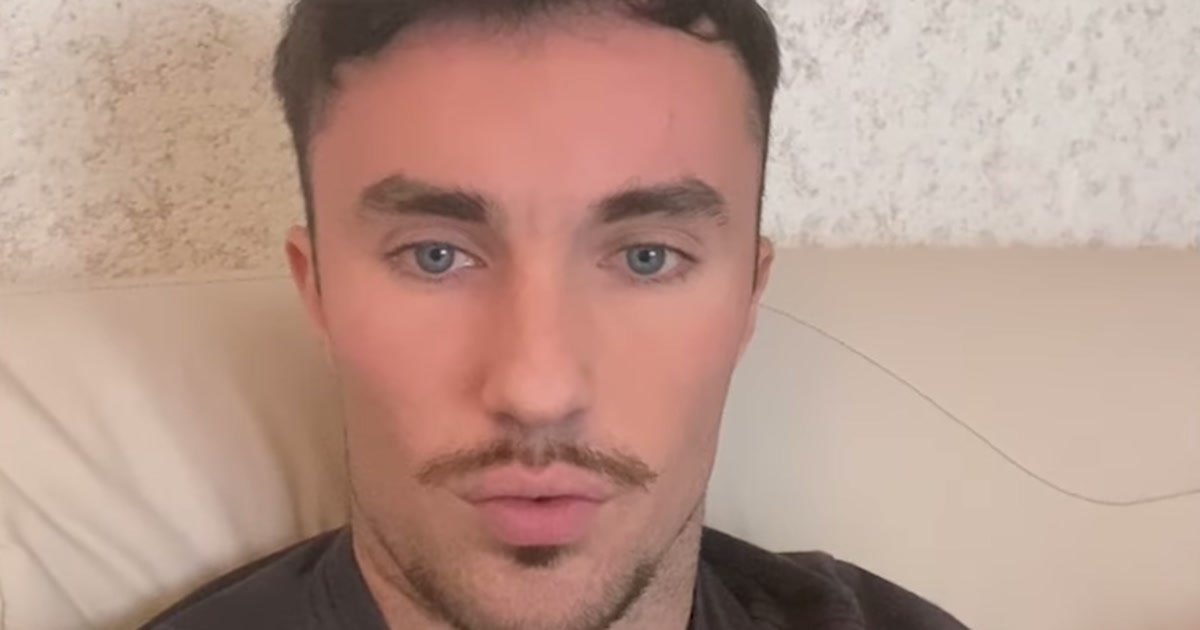
His symptoms are “still there”, he says, but much milder. Some days are still hard: “There are days when I get up and everything is black, and that’s just how it is.”
The first thing to plan for is a bad day.
How do I manage my energy on bad days?
Plan the day around the energy you have, rather than the energy you used to have. Occupational therapists, who help people manage daily life with an illness, suggest three Ps for any long-term condition: pace, plan and prioritise. Nobody has tested them in PAS. It’s general advice, so drop what doesn’t suit you.
- Pace. Break a task into smaller parts and build rests in. Shower, then sit down for a while before you dress.
- Plan. Keep a routine, and track your energy so you can see patterns. Score it out of 10 each evening, with one line on what you did.
- Prioritise. Don’t try to do everything. Pick what you need to do and one thing you want to do. Drop or hand over the rest.
The evening scores do a second job. A few weeks of them show your GP what has changed, in your own numbers. Our symptom journal, written for PFS and PSSD, works the same way for PAS.
The story in 3 lines
- The UK Roaccutane leaflet says some side effects “may continue after treatment has stopped”.
- In 2023, a UK expert review was told about a lack of services and treatments for people whose symptoms had lasted long term.
- In Great Britain, the law can count a condition as a disability if it has a substantial effect on daily life for 12 months or more.
Press: contact@sidefxhub.com
Can I get help at work or university?
Yes. In the UK you can ask for changes, and the law may protect you. Under the Equality Act, which covers England, Scotland and Wales, a condition can count as a disability if it has a substantial effect on your normal daily activities for 12 months or more. What counts is the effect on your life, not the name of the condition.
- At work: employers must make reasonable adjustments, such as flexible hours, a gradual return after time off, or working somewhere else. Access to Work, a government scheme, can help pay for support.
- Time off: your GP can give you a fit note for your employer. It can say you “may be fit for work” with changes such as different hours or working from home.
- At university: students in England can apply for Disabled Students’ Allowance, money for extra support, if a long-term health condition affects their studies. You don’t pay it back.
PAS is more than a sexual problem. In 2022, doctors and researchers drew up a checklist to recognise it. They say it can bring problems with concentration and memory, depression, and changes to the skin, joints and bowels, with or without sexual changes.
You don’t have to describe sexual symptoms to anyone. “I have a health condition that affects my energy and concentration” is enough to start. Our guide to working with PSSD goes further, and the same UK rules apply to PAS.
Miriam, who lives in Spain, took two low-dose courses of isotretinoin in her thirties. Here she talks about not being able to work, and what it costs her.
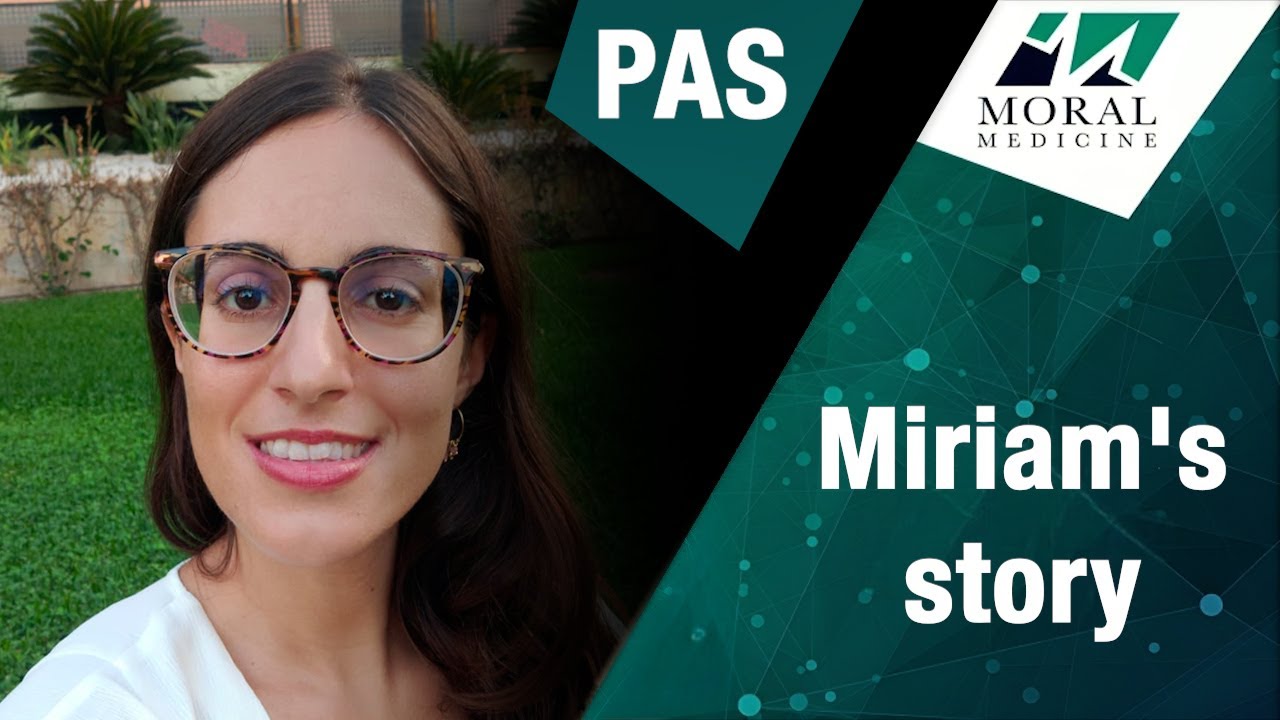
“My life has been put on hold,” she says later in the interview. If work has stopped for you too, a fit note and Access to Work are the first two things to ask about in the UK.
Who can I talk to who understands?
Other people with PAS, and anyone close to you who is willing to listen. Joseph thinks his symptoms eased over time as he talked about them and felt understood, with his family behind him.
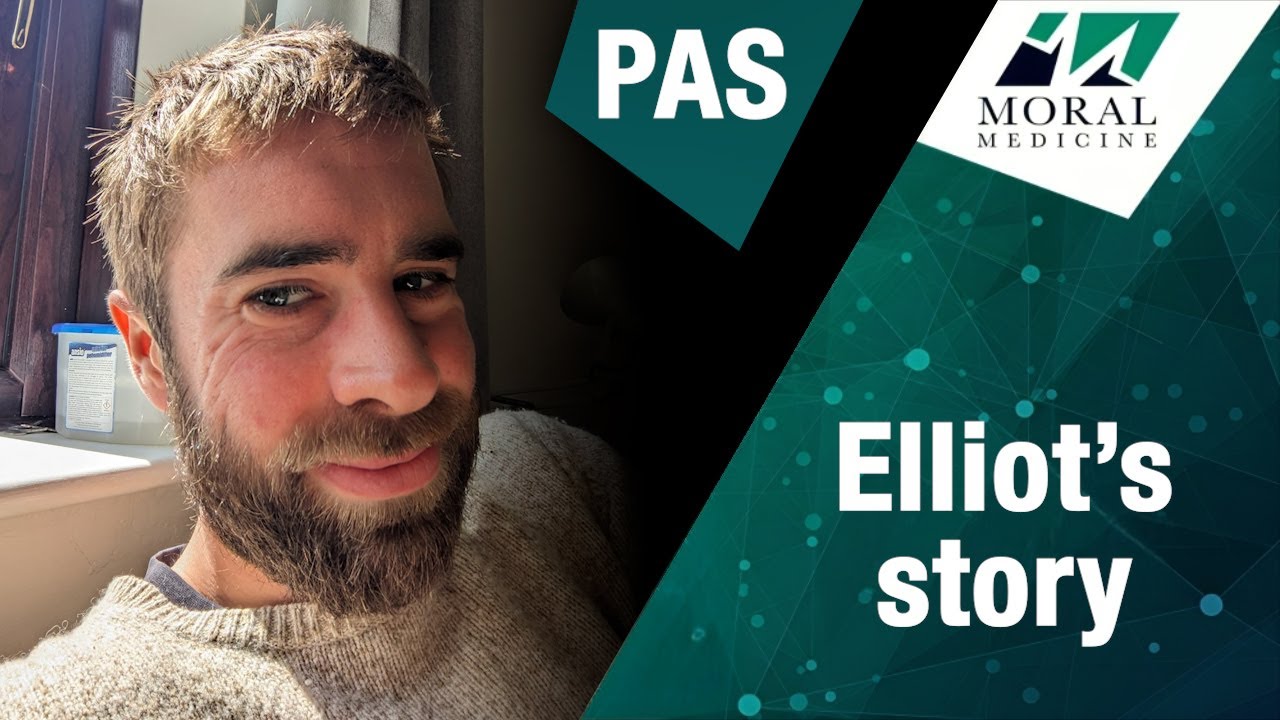
Elliot took Roaccutane at 17. Thirteen years on, he said in an interview: “There’s so much I’ve learned or had to come to terms with.” He says his understanding of “the need for compassion and listening” is “tenfold now”.
- Others with PAS: our small WhatsApp groups are open to adults who have it. Our PAS support page explains how to join.
- A therapist: one who accepts that it began with a medicine can help you live with it. Our guide to finding a therapist shows how.
The 2022 checklist says PAS can also bring suicidal thoughts. If you have them, call Samaritans free on 116 123, day or night.
What can I do?
These medicines help many people. If you have side effects, that’s a decision for you and your prescriber.
Write one line for your GP: “Isotretinoin 20 mg a day from March 2022, last capsule September 2022. Since then: tired by midday, I lose words, dry eyes.” Add your energy scores, and say what you need help with first.
A doctor can look at dry eyes, aching joints or low mood one at a time, even though we found no treatment for PAS itself. Our guide to who to see for PAS covers which specialist does what.
Report it: it helps everyone
A doctor’s note helps you. A report to the medicines regulator helps everyone else: it is how patterns get noticed.
- No proof needed. A suspicion is enough, even years after stopping.
- Where: the Yellow Card scheme in the UK, MedWatch in the US. Our Yellow Card guide for isotretinoin shows each step.
- Use the right words. PAS has no medical term yet, so name each symptom and say it continued after stopping.
Our reporting guide walks you through it
What else do people ask?
Should I try a diet or supplements for PAS? We found no study that tested any diet or supplement for PAS. Some forum threads share long lists, but nobody knows what helps or what might do harm. Talk to your GP before you start one.
Can I get benefits with PAS? Possibly. Personal Independence Payment is for a long-term condition that makes everyday tasks or getting around hard, most of the time. You can get it while working. In Scotland, you apply for Adult Disability Payment instead.
Will PAS go away? For some people it has lasted years after stopping. Nobody can yet say who will get it, or whether it will ease. Does post-Accutane syndrome go away? sets out what is known, including the research on treatments.
Joseph still has days when everything is black. If this week is one of those, choose one thing from this page: one rest, one request at work, or one message to someone who gets it. Our post-Accutane syndrome page has more on the condition.
Sources
- Roaccutane 10 mg soft capsules, patient leaflet, Electronic Medicines Compendium (EMC 100633), last revised April 2026. Section 4: side effects are “generally reversible after changing the dose or stopping treatment, however some may continue after treatment has stopped”. Section 2: “There have been reports of long-lasting sexual problems where the symptoms have continued despite stopping treatment with isotretinoin”. Read 28 October 2026.
- Healy D, Bahrick A, Bak M and colleagues. Diagnostic criteria for enduring sexual dysfunction after treatment with antidepressants, finasteride and isotretinoin. Int J Risk Saf Med 2022;33(1):65-76. Proposed criteria from expert agreement. Effects “that can occur independently of any sexual difficulties but may also accompany sexual problems”: cognitive impairment, skin, joint and bowel changes, depression, suicidality. The term post-Accutane syndrome “is in widespread use and often refers to what is termed PRSD here” (their name for the sexual form).
- Commission on Human Medicines, Report of the Isotretinoin Expert Working Group, 26 April 2023, published by the MHRA. Section 5.2 (page 73), from the call for information. Concerns about how sexual dysfunction had been managed, “including lack of appropriate services and treatments, especially for those where symptoms had not resolved after stopping and had continued long term”.
- PubMed searches, 28 October 2026: “post-accutane syndrome” (1 result: a case report of three men with post-drug syndromes, treated with nerve stimulation and shockwave therapy, whose sexual symptoms improved mildly but who were “still profoundly affected”), “post-retinoid sexual dysfunction” (2 results, neither a treatment trial). We found no trial of any treatment, diet or supplement for PAS, and no study of coping with it.
- Royal College of Occupational Therapists, Lift up your everyday: managing energy, read 28 October 2026. General advice for “people recovering from illness or managing long-term health conditions”: the “3Ps principle (Pace, Plan and Prioritise)”; “Build rests into your activities”; “Measure and track your energy use”; “don’t try to do everything”. Not tested in PAS.
- GOV.UK, Definition of disability under the Equality Act 2010: a “physical or mental impairment that has a ‘substantial’ and ‘long-term’ negative effect on your ability to do normal daily activities”; “‘long-term’ means 12 months or more”. England, Scotland and Wales. GOV.UK, Reasonable adjustments for workers with disabilities or health conditions and Access to Work, read 28 October 2026.
- Department for Work and Pensions, The fit note: guidance for patients and employees, updated 6 October 2023. Options include “a phased return to work”, “altered hours” and “workplace adaptations: changing aspects of the workplace, such as working from home”.
- GOV.UK, Disabled Students’ Allowance and its eligibility page, read 28 October 2026. For students who “live in England” with a disability that affects their ability to study, including a “long-term health condition”; “You do not need to pay back DSA”. Scotland, Wales and Northern Ireland have their own schemes.
- GOV.UK, Personal Independence Payment, read 28 October 2026. For “a long-term physical or mental health condition or disability” and “difficulty doing certain everyday tasks or getting around”. Difficulty “more than half of the days over a 12-month period”; “You can get PIP even if you’re working”. “If you live in Scotland You need to apply for Adult Disability Payment ( ADP ) instead of PIP”.
- Moral Medicine, French Patient Shares His Long-Term Struggle After Accutane (isotretinoin), interview with Joseph, 17 November 2025, in French, embedded here as an extract from 7:54 to 8:15. Isotretinoin at 13 and anxiety months after the course (from about 1:00). At 7:54: “même si les symptômes sont toujours là, c’est quand même très atténué”, thanks to “mes proches, ma famille”. At 8:09: “Il y a des jours où je sais pas, je me lève et tout est tout est noir et voilà, c’est comme ça”. Our translation, from YouTube’s automatic captions.
- Moral Medicine, Miriam’s interview, 13 October 2025, embedded here as an extract from 23:41 to 24:16: “I’ve been on sick leave for 18 months now unable to work”, and the cost of her treatments. “My life has been put on hold” at about 24:27. She lives in Spain. Quotes from YouTube’s automatic captions.
- Moral Medicine, He Took Accutane at 17. His Life Never Returned to Normal., interview with Elliot, 28 January 2025. Roaccutane at 17 at 3:45; thirteen years since stopping at 1:11:20; “there’s so much I’ve learned or had to come to terms with” at 1:25:19; “my understanding of the need for compassion and listening” and “it’s tenfold now” at 1:25:31 to 1:25:40. Quotes from YouTube’s automatic captions.
- Samaritans, Contact us: call 116 123, free, any time.
Sources checked on 28 October 2026. AI-assisted writing and review, not clinical review.
640+ people have joined the registry.
Join them, then report your side effects.
Free. Sign up takes 2 minutes.