PFS or depression? How to tell
Finasteride can cause both depression and PFS, and the two can overlap. What changed first, and what lasts after stopping, are your best clues.
SIDEfxHUB is a patient charity. We are not health professionals, and this does not replace medical advice. Don't start, stop or change any medicine because of what you read here. Talk to your doctor first.
If you are in crisis:116 123 Samaritans (UK)988 Lifeline (US)Find a helpline
With finasteride, it can be both. The UK leaflet lists depression as a side effect, and sexual problems that can last after stopping point to post-finasteride syndrome (PFS). What changed first, and what’s still there after the last tablet, are your best clues.
PFS isn’t only about sex. The 2022 criteria for PFS say problems with thinking, depression and suicidality can come with the sexual changes, or without them. That’s one reason men with PFS are often told it’s just anxiety or depression.
The UK leaflet lists erection, sex drive and ejaculation problems that persisted “after discontinuation of treatment”. Depression alone doesn’t explain that.
The story in 3 lines
- Low sex drive is a common symptom of depression (NHS).
- The UK finasteride leaflet (May 2026) lists depression as a possible side effect, and erection, sex drive and ejaculation problems that persisted after stopping.
- In May 2026 the UK regulator told doctors these problems "may persist after treatment is stopped" (MHRA). Patients call it PFS.
Press: contact@sidefxhub.com
Marko took a 1 mg finasteride tablet for three days. He noticed numbness, stopped, and crashed the next day. Watch this extract for how quickly it happened, and how his doctors read it.

For a year he couldn’t work. It took a “deep psychological toll”, he says, but the illness was physical too. “My physical symptoms were written off as purely psychological.” Five years on, he’s much better, though not fully back to his old self.
Can finasteride cause depression?
The UK leaflet, dated May 2026, says depressed mood, depression and, less often, suicidal thoughts “have been reported” in men taking it. It describes depression as a “feeling of severe sadness and unworthiness”.
On 11 May 2026 the MHRA, the UK medicines regulator, told doctors that finasteride “is associated with depression, suicidal ideation and sexual dysfunction which may persist after treatment is stopped”.
One small study chose men with no history of mental illness who had sexual problems lasting after finasteride. About 3 in 4 had signs of depression, it found, against 1 in 10 men with hair loss who’d never taken it.
Our page on finasteride and depression covers the regulator’s earlier review.
How is PFS different from depression?
Start with the order things happened in. The leaflet says sexual problems “may contribute to mood alterations”, and have “also been reported without mood alterations”.
Most men start finasteride for their hair, often while feeling well. That gives you a clear “before”, which someone starting an antidepressant for low mood doesn’t have. Our page on PSSD or depression covers that case.
Then look at what changed. Depression mostly lowers desire. The NHS list of symptoms includes “low sex drive (loss of libido)”. It doesn’t mention changes in how the penis feels, or in orgasm.
The 2022 criteria for PFS look for sexual problems that last at least three months after stopping and weren’t there before. Less feeling in the genitals and in orgasm is one of the signs they list. Problems that clear once you stop aren’t PFS.
The feeling can be different too. Matt took finasteride for three years before his genitals went numb. When his emotions went flat a few weeks after stopping, he first wondered if the tablets had been making him depressed. “I didn’t feel depressed, I didn’t feel sad,” he says. “It was like my entire ability to feel was suddenly completely gone.”
Our page on what PFS feels like describes this emotional numbness in more detail.

Is it PFS or anxiety?
Worry can play a part. In an Italian trial, men with an enlarged prostate took finasteride without being told what it was. Those warned about sexual side effects reported them far more often: about 44 in 100, against 15 in 100 who weren’t warned. That trial looked at side effects during a year on the tablets. It didn’t follow anyone after stopping.
Matt says that in his first three years on finasteride he believed it was “psychosomatic or some kind of result of health anxiety”. He changed his mind when it happened to him.
The authors of the PFS criteria warn about the opposite mistake. Misdiagnosing these problems as “psychogenic”, they write, may lead to more use of the medicine behind them.
What can I do?
Finasteride helps many men keep their hair. Whether it’s right for you is a decision for you and your prescriber.
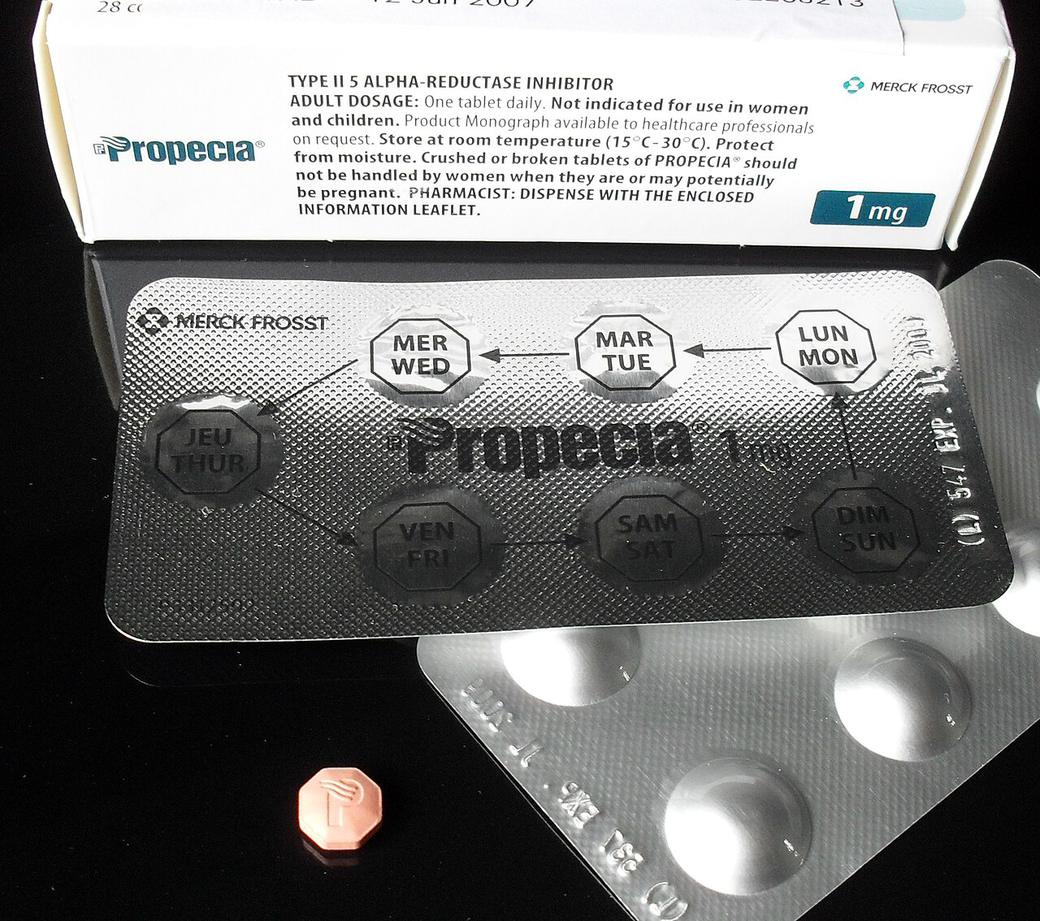
The UK leaflet for the 1 mg tablet (May 2026) covers depressed mood, depression and suicidal thoughts. Its words: “If you experience any of these symptoms stop taking Propecia and contact your doctor for further medical advice as soon as possible”.
If low mood has turned into thoughts of not wanting to be here, the Samaritans are free to call on 116 123 (UK and Ireland), day or night. Our page on suicidal thoughts with PFS is there too.
Only your doctor can assess what’s behind your symptoms. The PFS criteria are only proposed by researchers, and no test confirms PFS, so your history matters most. Write your timeline down first:
- Your medicine: “Finasteride 1 mg from March 2024, last tablet June 2025.”
- Your mood and sex life before: “No low mood. No sexual problems before 2024.”
- What changed first: “Less feeling in my penis from May 2025. Low mood from August.”
- What’s still there now: “Numbness and weak orgasms, still there in October 2026.”
Three questions for your GP
- Could finasteride explain both my mood and my sexual changes?
- What else should we rule out?
- How will we tell whether things are improving?
You could start with: "My sexual symptoms began on finasteride and didn't go when I stopped. Can we go through the timeline?"
Many men say it took time to be taken seriously. Bring the leaflet line, and our guide on which doctor to see about PFS. You can report it without a doctor agreeing.
Report it: it helps everyone
A doctor’s note helps you. A report to the medicines regulator helps everyone else: it is how patterns get noticed.
- No proof needed. A suspicion is enough, even years after stopping.
- Where: the Yellow Card scheme in the UK, MedWatch in the US.
- Use the right words. If symptoms continued after stopping, write Post 5-alpha-reductase inhibitor syndrome (MedDRA 10082430).
Our reporting guide walks you through it
What else do people ask?
Can I have PFS and depression at the same time? Yes. The PFS criteria list depression among the effects finasteride can have, alongside sexual problems or on their own. Having both doesn’t rule out PFS. Our page on anxiety and depression with PFS has ideas for support.
Is there a test that tells PFS from depression? No. A Harvard study found hormone levels no different from other men’s in men with lasting symptoms after finasteride. They had more signs of depression, and brain scans showed patterns also seen in depression. So the scans don’t separate the two. Your doctor goes by your history, and a clear timeline helps.
Is low sex drive after stopping always PFS? No. Stress, other medicines, hormones and depression itself can all lower desire. The PFS criteria ask for problems lasting three months or more after stopping, with other causes ruled out.
Marko’s physical symptoms were put down to his mind. If yours began on finasteride and stayed after you stopped, write the order down, and report it.
Sources
- Propecia 1 mg film-coated tablets: patient information leaflet, Organon, electronic medicines compendium (emc), last revised May 2026. Section 2, “Mood alterations and depression”: stop and contact your doctor if depressed mood, depression or suicidal thoughts occur. Impaired sexual function “may contribute to mood alterations”; it “has also been reported without mood alterations or suicidal thoughts”. Section 4: depression (“feeling of severe sadness and unworthiness”); under “Frequency unknown”, persistent erection, sex drive and ejaculation problems after discontinuation, and anxiety.
- MHRA, Finasteride and dutasteride: updated safety warnings for psychiatric side effects and sexual dysfunction, Drug Safety Update, 11 May 2026. Advice for healthcare professionals: finasteride “is associated with depression, suicidal ideation and sexual dysfunction which may persist after treatment is stopped”; ask patients about any history of depression or suicidal ideation before prescribing.
- NHS, Depression in adults: symptoms, page last reviewed 5 July 2023. Physical symptoms include “low sex drive (loss of libido)”.
- Healy D, Bahrick A, Bak M and colleagues. Diagnostic criteria for enduring sexual dysfunction after treatment with antidepressants, finasteride and isotretinoin. Int J Risk Saf Med 2022;33(1):65-76. Section 5 (PFS): enduring sexual dysfunction after stopping is necessary. Additional criteria include enduring reduction in genital and orgasmic sensation, presence for 3 months or more after stopping, and no matching pre-drug sexual dysfunction. Sexual dysfunction that clears after stopping “is not PFS”. Depression is listed among finasteride effects that can occur independently of, or accompany, sexual problems. Introduction: “misdiagnosis as a psychogenic problem which may result in further use of the causative drug”.
- Irwig MS. Depressive symptoms and suicidal thoughts among former users of finasteride with persistent sexual side effects. J Clin Psychiatry 2012;73(9):1220-3. 61 former users with sexual side effects lasting 3 months or more, and no past psychiatric conditions; 29 controls with hair loss who had never used finasteride. Depressive symptoms (BDI-II 14 or more) in 46 of 61 (75%) against 3 of 29 (10%).
- Mondaini N, Gontero P, Giubilei G and colleagues. Finasteride 5 mg and sexual side effects: how many of these are related to a nocebo phenomenon? J Sex Med 2007;4(6):1708-12. 107 men with benign prostatic hyperplasia given finasteride 5 mg, concealed, for 1 year; one or more sexual side effects in 43.6% of those counselled about them against 15.3% of those not counselled.
- Basaria S, Jasuja R, Huang G and colleagues. Characteristics of men who report persistent sexual symptoms after finasteride use for hair loss. J Clin Endocrinol Metab 2016;101(12):4669-80. No difference in testosterone, dihydrotestosterone or markers of androgen action; higher depression scores; fMRI responses consistent with those seen in depression.
- Moral Medicine, I Took Finasteride for 3 Days. It Changed My Life for 5 Years., Marko’s film, 9 March 2026. Three days and numbness at 1:01 to 1:09; unable to work for a year from 1:26; “deep psychological toll” at 1:54; “My physical symptoms were written off as purely psychological” at 2:28. Extract played: 0:58 to 1:48.
- Moral Medicine, This Year I’m turning 30 years old, and I haven’t felt an orgasm since I was 24, Matt’s film, 6 April 2026. “Psychosomatic or some kind of result of health anxiety” at 1:29; genital numbness after 3 years at 4:25; wondering if the drug had been making him depressed at 5:44; “I didn’t feel depressed, I didn’t feel sad” at 6:40.
- MedDRA lowest level term Post 5-alpha-reductase inhibitor syndrome, code 10082430.
This information does not replace medical advice. Talk to your doctor before you make any decision about your treatment.
620+ people have joined the registry.
Join them, then report your side effects.
Free. Sign up takes 2 minutes.