Telling family about post-Accutane syndrome
Telling parents or siblings about post-Accutane syndrome (PAS)? Words you could use, and what to do if they feel guilty or doubt you.
Not sure how to tell your family you haven’t been the same since isotretinoin (Roaccutane, or Accutane)? Tell them what changed, and show them one line from the UK leaflet: some side effects “may continue after treatment has stopped”. Patients call that post-Accutane syndrome, or PAS.
If you took it as a teenager, your parents may well have been part of the decision. In the UK today, a parent of someone under 18 usually goes through a form about the risks with the prescriber and is asked to sign it too. So telling them can feel like blaming them, even when you don’t.
Matthew was 15 when he started a year-long course of Accutane. When he began to blame the medicine, he told his parents. Watch this clip if your family weren’t sure at first.

“They did not believe me at all,” he says. He was 15 or 16, sending them things he’d found online. He says he didn’t have “well structured arguments” yet. They told him to trust his GP and his dermatologist.
Where to start depends on who you’re telling, and how they take it.
How do I tell my parents it was the Accutane?
Start by asking what they saw. The UK leaflet itself asks you to tell your family you’re taking isotretinoin, because they may spot changes in your mood that you miss.
Matthew’s parents did notice something in the last few months of his course, he says. They just never linked it to the medicine. So ask: “Did I seem different during the course, or after it? When did you first notice?” Their answer helps you pin down when things changed, and it’s worth taking to your GP.
Then tell them what changed, with dates.
Lines you could use
- “I took Roaccutane from March to August 2019. I haven't felt like myself since.”
- “My memory's worse, I can't concentrate, and I don't enjoy things like I used to.”
- “The leaflet says some side effects can continue after stopping. It's called post-Accutane syndrome.”
- “I'm not asking you to fix it. I need you to believe me.”
PAS is more than a sexual problem. Doctors and researchers who proposed a checklist in 2022 say it can bring depression, suicidal thoughts, and problems with concentration and memory. It can change your skin, joints and bowels too. Some people have no sexual symptoms at all. If you’re struggling, Samaritans are on 116 123 in the UK.
If they still doubt you, or say it’s all in your head, show them what the UK medicines regulator wrote in January 2026: “Some side effects may continue even after stopping isotretinoin. We do not know how often this happens, or how long those side effects can last.”
The story in 3 lines
- The UK leaflet says isotretinoin's side effects usually go away, “however some may continue after treatment has stopped” (leaflet).
- The same leaflet asks you to tell your family you're taking it, because “They may notice these changes” in your mood.
- The UK medicines regulator says it doesn't know how often side effects continue, or for how long (MHRA, 2026). Patients call it PAS.
Press: contact@sidefxhub.com
What if my parents feel guilty?
If you don’t blame them, say so plainly. They may have booked the appointment, sat in on it and signed the form.
Elliot was 17 when he was given a long form to sign for Accutane. He thinks his mum was with him. “She was doing the best she could,” he says.
He doesn’t think his family really understood how serious it was for him. And he says he shouldn’t expect them to. It can’t really be put into words, and from the outside you look as if you’re coping. Watch this if your family love you but don’t quite get it.

“They do their best and I respect them for that,” he says.
You could say: “You made the best choice you could with what you were told. I’m telling you because I need help now.”
If a parent wants to do more, send them our page for parents whose child hasn’t been the same since Accutane.
How do I tell my brother or sister?
The same way you’d tell a parent. A brother or sister can be the one who backs you up. At first, Miriam’s family “did not understand at all”, she says. Her younger brother has been “super supportive”. Watch this to hear what that looks like.
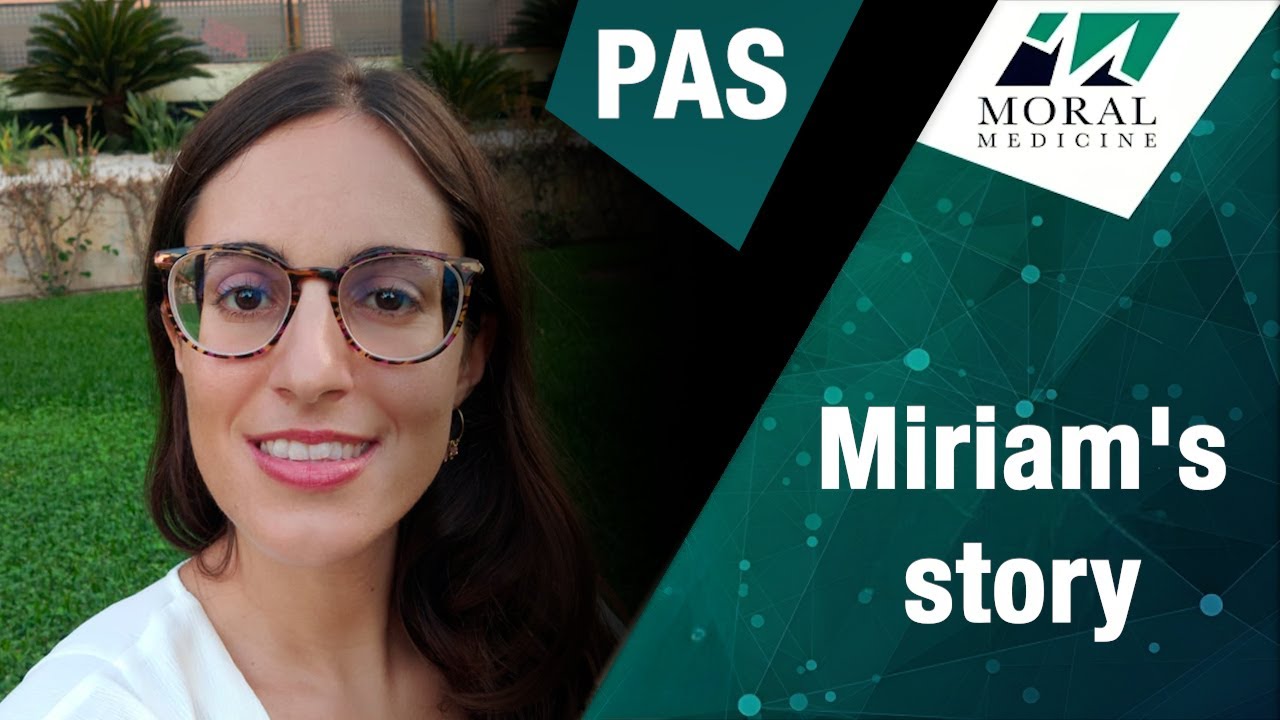
He comes with her to lots of doctor appointments. That matters, she says, because sometimes it’s the doctors who don’t understand.
Whoever you tell, give them a clear job.
Three jobs for family
- Come to the GP with you, and say what they saw: “He stopped seeing his friends in 2020.”
- Help find the dates: the brand, the dose, and when the course began and ended. Our guide shows how to get your prescription history.
- Read one page about PAS, so you don't have to explain it from the start every time.
What can I do?
Isotretinoin helps many people with severe acne. What you do next is a decision for you and your prescriber. If you’re still taking it, the leaflet says to contact your doctor straight away about signs of mental health problems.
Bring your GP a short note that includes what your family saw: “Roaccutane 20 mg a day, March to August 2019. Low mood and poor memory since late 2019. My mum noticed I’d stopped going out.”
You can report it without a doctor agreeing, and a family member can fill in the report for you, with your permission.
Report it: it helps everyone
A doctor’s note helps you. A report to the medicines regulator helps everyone else: it is how patterns get noticed.
- No proof needed. A suspicion is enough, even years after stopping.
- Where: the Yellow Card scheme in the UK, MedWatch in the US.
- Use the right words. PAS has no MedDRA term yet, so name each symptom and say it continued after stopping.
Our reporting guide walks you through it
What else do people ask?
Do I have to tell my family everything? No. It’s your health, and you choose what to share. If some symptoms are sexual, “some physical things I’d rather keep private” is enough.
My parents say PAS isn’t real. What can I show them? It isn’t a formal diagnosis yet, and there’s no test for it. What’s official is the warning that some side effects can continue after stopping. If the name gets in the way, talk about your symptoms instead. Our page on whether PAS is real sets out the rest.
My younger brother has been offered Accutane. Should I say anything? That’s your choice. Whether he takes it is a decision for him and his prescriber, usually with a parent if he’s under 18. If you do tell him what happened to you, our questions to ask before starting can help him talk it through with them.
Matthew’s parents were still hard to convince when he was interviewed. Miriam’s brother helped by turning up to her appointments. Start with the one person most likely to listen, and send them our post-Accutane syndrome page.
Sources
- Roaccutane 10 mg and 20 mg soft capsules, patient leaflet, Electronic Medicines Compendium (EMC 100633), last revised April 2026. Section 2, “Mental health problems”: “it is very important that you tell your friends and family that you are taking this medicine.” Family “may notice these changes”. Section 4: side effects are “generally reversible”, “however some may continue after treatment has stopped”. Also: “Contact your doctor straight away if you get signs of any of these mental problems”.
- Healy D, Bahrick A, Bak M and colleagues. Diagnostic criteria for enduring sexual dysfunction after treatment with antidepressants, finasteride and isotretinoin. Int J Risk Saf Med 2022;33(1):65-76. Proposed criteria developed through expert agreement, not an official diagnosis. Section 6: isotretinoin effects “that can occur independently of any sexual difficulties” include cognitive impairment, skin, joint and bowel changes, depression and suicidality. The term PAS “equally often appears to include suicidality and other cognitive effects without sexual difficulties”.
- MHRA, Review of the impact of recommendations for the prescribing of isotretinoin, Public Assessment Report, 22 January 2026. Plain language summary: “Isotretinoin works well to treat severe acne.” Also: “Some side effects may continue even after stopping isotretinoin. We do not know how often this happens, or how long those side effects can last.”
- MHRA, Oral isotretinoin Acknowledgement of Risk Form, January 2026. The prescriber and patient “(and usually a parent or guardian if the patient is under 18 years old) should go through the form together”. A parent or guardian “should also be asked to sign”, unless that is not in the patient’s best interests.
- MHRA Yellow Card, How to report, read on 28 October 2026: “You can report for yourself or for someone else, with their permission.”
- Josef Witt-Doerring (Dr. Josef), He Took Accutane at 15. Now He’s Living with the Damage, interview with Matthew, 18 July 2025. Quotes from YouTube’s automatic captions. A one-year course from age 15 (7:07, 10:16). His parents noticed something in the last few months of the course but “never linked it to the drug” (6:20 to 6:37). The extract we play, 11:11 to 12:04, includes “well structured arguments”, “they did not believe me at all” and “trust my GP and my dermatologist”. “It’s very hard to convince them” (15:53).
- Moral Medicine, He Took Accutane at 17. His Life Never Returned to Normal., interview with Elliot, January 2025. Quotes from YouTube’s automatic captions. “I think I was with my mom”, “she was doing the best she could” (15:48 to 15:55). The extract we play, 1:21:19 to 1:22:22: “I don’t think my family really understood that, but nor should I ever expect that from them.” Also: “on the outside you just kind of look like functioning” and “they do their best and I respect them for that”. His story on our site: Elliot’s story: Accutane at 17.
- Moral Medicine, From Mild Acne to Severe Dry Eyes, Hair Loss and Infertility: Miriam’s Nightmare After Isotretinoin, interview with Miriam, October 2025 (the title is the channel’s). Quotes from YouTube’s automatic captions. The extract we play, 35:12 to 35:38: at first her family “did not understand at all”. Her younger brother “has been super supportive and he’s been coming with me to lots of doctor appointments”. Also: “Sometimes it’s the doctors.” Her story on our site: Miriam’s story: 2 courses of isotretinoin.
Sources checked on 28 October 2026. AI-assisted writing and review, not clinical review.
640+ people have joined the registry.
Join them, then report your side effects.
Free. Sign up takes 2 minutes.