Finasteride fatigue: why am I so tired?
Tiredness isn't on the finasteride leaflet, but people with post-finasteride syndrome (PFS) report it, sometimes long after stopping. What to check first.
SIDEfxHUB is a patient charity. We are not health professionals, and this does not replace medical advice. Don't start, stop or change any medicine because of what you read here. Talk to your doctor first.
If you are in crisis:116 123 Samaritans (UK)988 Lifeline (US)Find a helpline
Tiredness isn’t listed on the UK finasteride leaflet, but people with post-finasteride syndrome (PFS) describe a heavy kind of exhaustion that can last long after they stop. Medicines regulators in the UK and the US have both recorded patients reporting it.
PFS is the name for problems that carry on after stopping finasteride, and it’s more than a sexual problem. In 2022, doctors and researchers proposed a checklist to recognise it. Besides sexual symptoms, it lists problems with concentration and memory, depression and suicidal thoughts. These can happen with no sexual symptoms at all. If you’re struggling, the Samaritans are on 116 123 in the UK.
It’s hard to be this tired and not know why. Tiredness also has everyday causes, like low iron or poor sleep. A GP can check for those, so tell them when you took finasteride too.
The story in 3 lines
- The UK leaflet for Propecia (finasteride 1 mg) doesn't list tiredness among its side effects.
- In 2024 the UK medicines regulator noted a survey where people with PFS reported fatigue, which isn't listed as a known side effect (MHRA review).
- A 2025 US regulator alert lists fatigue among the problems people reported. Most of those reports, it says, described symptoms that carried on after stopping.
Press: contact@sidefxhub.com
Damon took a single finasteride tablet in October 2018. Before that, he says, he was “overall very energetic”. In this clip he describes how fast that changed.
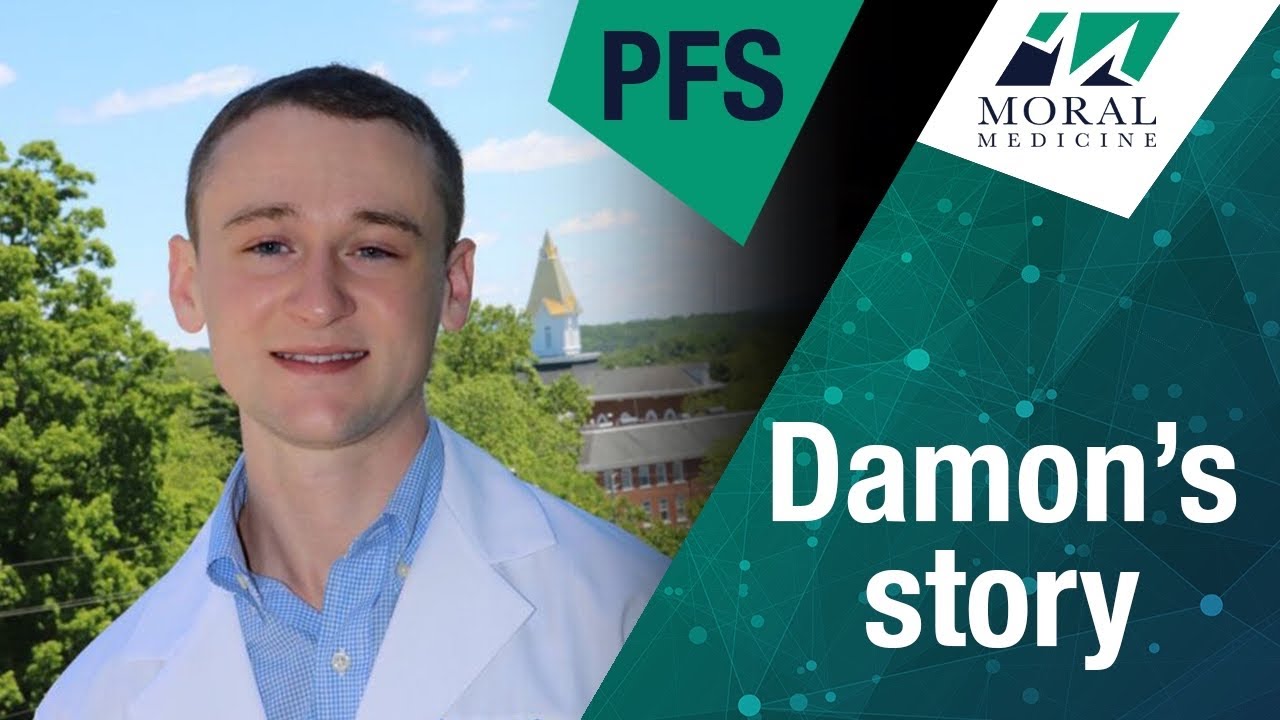
From the next day, he says, “I literally felt like a zombie.” Even 10-pound dumbbells felt “extremely heavy”, and he “had no energy”.
Is tiredness a side effect of finasteride?
It isn’t on the official list, but regulators have heard it from patients. The UK leaflet lists sexual problems, mood changes and breast changes, but not tiredness. The NHS page on finasteride doesn’t mention it.
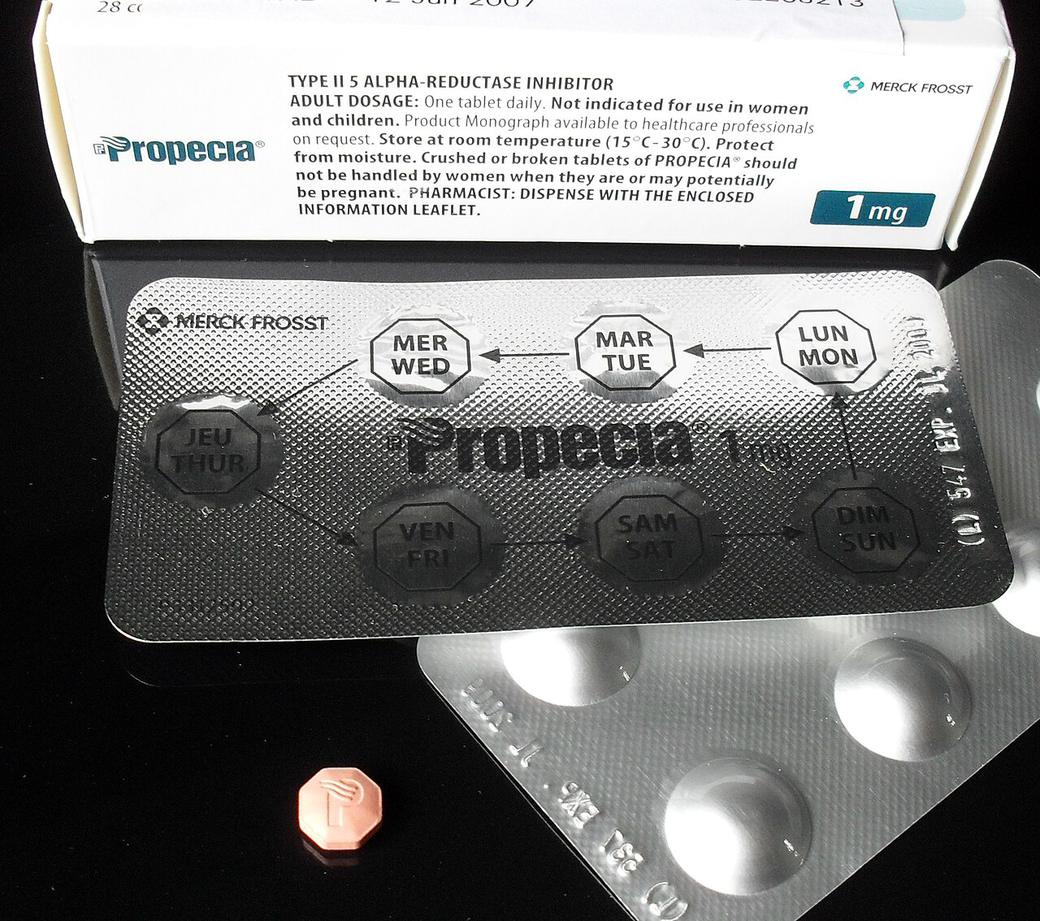
In 2024 the UK regulator, the MHRA, published a review of finasteride. It looked at a survey by the PFS Network, a patient charity. Fatigue and muscle weakness were among the unlisted symptoms its members described.
In 2025 the US regulator, the FDA, put out an alert about finasteride that pharmacies mix themselves, for use on the scalp. People reported fatigue, trouble sleeping and brain fog.
The 2022 checklist doesn’t mention fatigue. Nobody has counted how often it happens.
Can finasteride fatigue last after stopping?
For some people it has. The UK leaflet says some sexual problems can be “persistent … after discontinuation of treatment”, meaning they carry on after you stop. The FDA alert lists fatigue among the reported problems, and says most of the reports described problems that carried on after stopping. It doesn’t say how many of those were about tiredness.
Some describe it as feeling ill, more than sleepy. Nathan took half a tablet, twice. After the second dose he was “basically bed bound” for a month. A year and four months on, he could enjoy things and sleep again. In this clip he describes what was still there.
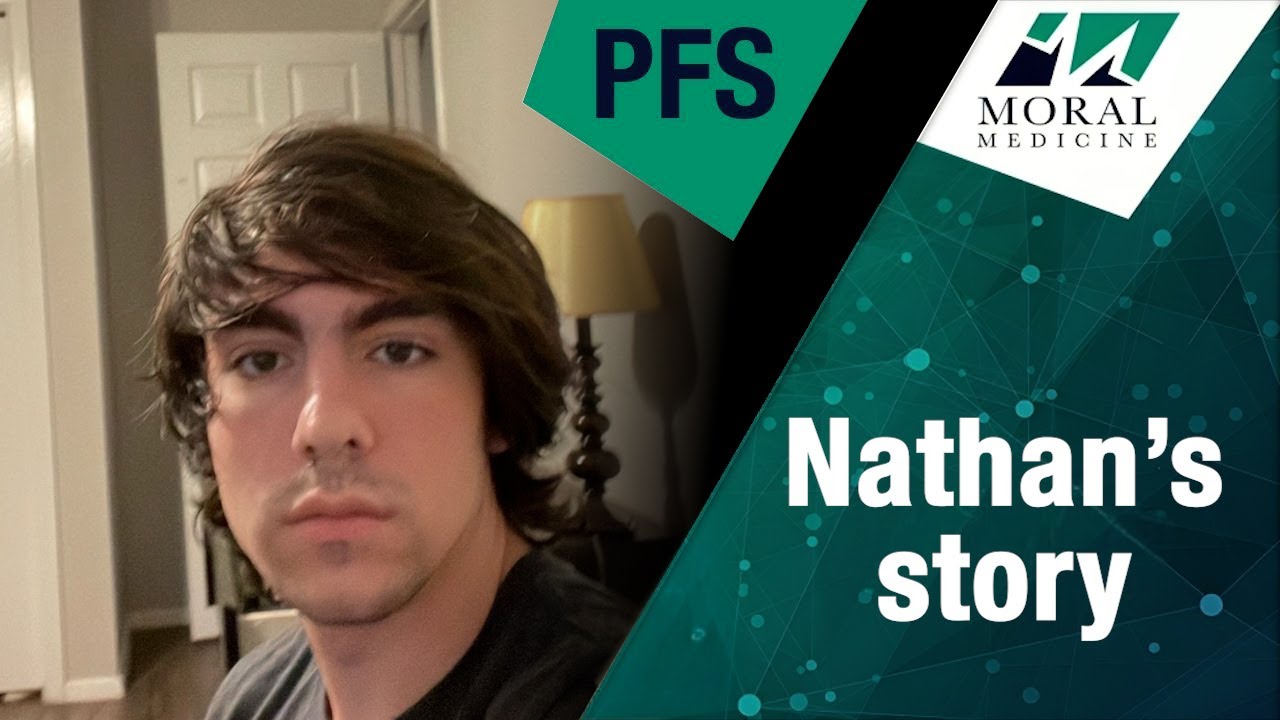

The tiredness hadn’t gone. “Neurologically, it feels like I’m hung over every day,” he says. Some days are better than others. “I feel I have the flu or I’m hung over. I just feel sick and tired.”
Damon says he felt worse almost every day for about three years. Then things settled, but they didn’t go back to how they were. “It was a new normal, it wasn’t recovering,” he says.
For some people it has lasted years after stopping. Nobody knows yet who will be affected, or whether it will ease.
Could my tiredness be something else?
Yes, and it’s worth ruling out. The NHS page on tiredness lists causes, including:
- Not enough sleep, stress or depression.
- Low iron (anaemia), diabetes or an overactive thyroid. A blood test can check for these.
- Sleep apnoea, when your breathing stops and starts while you sleep.
Mention sleep apnoea to your GP. A 2020 study of US side-effect reports found it was reported more often with finasteride than with other medicines. That can’t prove finasteride caused it, but the authors suggest a sleep check for people with symptoms like those of PFS.
Tiredness is common, with or without finasteride. In a 2026 study of men aged 55 and over from a US prostate cancer trial, about half had fatigue in their medical records, whether they had taken finasteride or a dummy pill. The authors say this doesn’t support the idea of PFS. But it counted any record of fatigue in older men, whatever the cause.
The NHS says to see a GP if you’ve been tired for a few weeks and don’t know why. Our page on PFS blood tests explains what a GP might check.
What can I do?
These medicines help many people. If you have side effects, that’s a decision for you and your prescriber. The leaflet says to stop taking it and talk to your doctor if you notice mood changes such as depression.
Bring your dates to the GP: “Finasteride 1 mg from March 2024, last tablet August 2024. Exhausted since September, even after a full night’s sleep.” If you sleep badly too, our page on sleep problems with PFS can help.
Three questions for your GP
- Which everyday causes should we rule out, and how?
- Could sleep apnoea be part of this?
- Can my finasteride dates go on my record, and can we report this to the Yellow Card scheme?
You could start with: “I've been exhausted since I took finasteride, and it hasn't lifted since I stopped. It isn't on the leaflet, but I'd like it on my record.”
The leaflet itself asks you to tell your doctor about side effects “not listed in this leaflet”. You can report it without a doctor agreeing.
Report it: it helps everyone
A doctor’s note helps you. A report to the medicines regulator helps everyone else: it is how patterns get noticed.
- No proof needed. A suspicion is enough, even years after stopping, and even if it isn’t on the leaflet.
- Where: the Yellow Card scheme in the UK, MedWatch in the US.
- Use the right words. If symptoms continued after stopping, write Post 5-alpha-reductase inhibitor syndrome (MedDRA 10082430).
Our reporting guide walks you through it
What else do people ask?
Can topical finasteride make you tired? People reported fatigue in the FDA alert about pharmacy-mixed scalp finasteride. The FDA says it expects finasteride to get “through the skin into the bloodstream”. Our page on topical finasteride covers what is known.
Is it low testosterone? On average, finasteride doesn’t lower it. The US information for doctors says testosterone went up slightly and stayed in the normal range. What finasteride lowers is DHT, a hormone the body makes from testosterone. More in our article on finasteride and testosterone.
Could it be ME/CFS? It’s one cause a GP may think about. ME/CFS, also called chronic fatigue syndrome, is on the NHS list of causes: extreme tiredness for at least 3 months. We found no study comparing it with PFS (searched October 2026).
Damon works as a physiotherapist now. “It’s still not easy,” he says. If your tiredness came with finasteride and stayed, report it as a possible sign of PFS, even though it isn’t on the leaflet.
Sources
- Propecia 1 mg film-coated tablets, patient leaflet, electronic Medicines Compendium (EMC 2194), last revised May 2026. Section 1, “Men with mild to moderate, but not complete hair loss, can benefit from using Propecia”. Section 2 and section 4, mood changes and depression (“Stop taking Propecia and talk to your doctor”). Section 4, “Some of the side effects are temporary with continued treatment or disappeared when treatment is stopped” and “any possible side effects not listed in this leaflet”. Section 4, frequency unknown: “persistent difficulty having an erection after discontinuation of treatment”, “persistent decrease in sex drive after discontinuation of treatment”, “persistent problems with ejaculation after discontinuation of treatment”. Tiredness, fatigue, weakness and sleep are not mentioned.
- NHS, Side effects of finasteride, page last reviewed 2 August 2023. Does not mention tiredness or fatigue.
- Medicines and Healthcare products Regulatory Agency, Safety review of finasteride: public assessment report, April 2024. Section 5.4, preliminary results of a PFS Network survey of members (427 submissions): “several physical symptoms which are not included in the product information as known side effects for example, muscle cramps/twitching, thin skin, fatigue, and muscle weakness.”
- US Food and Drug Administration, FDA alerts health care providers, compounders and consumers of potential risks associated with compounded topical finasteride products, content current as of 22 April 2025. 32 cases in the FDA Adverse Event Reporting System, 2019 to 2024; “Most of the reports FDA has received state the adverse events continued to persist after product discontinuation”; “Absorption of finasteride through the skin into the bloodstream is expected.”
- Healy D, Bahrick A, Bak M and colleagues. Diagnostic criteria for enduring sexual dysfunction after treatment with antidepressants, finasteride and isotretinoin. Int J Risk Saf Med 2022;33(1):65-76. Section 5, post-finasteride syndrome: “cognitive impairment”, “depression”, “suicidality” can occur “independently of any sexual difficulties”. Full text searched 27 October 2026: no mention of fatigue, tiredness or energy.
- NHS, Tiredness and fatigue, page last reviewed 2 June 2023, and Sleep apnoea.
- Gupta MA, Vujcic B, Gupta AK. Finasteride use is associated with higher odds of obstructive sleep apnea: results from the US Food and Drug Administration Adverse Events Reporting System. Skinmed 2020;18(3):146-150. Abstract only. A comparison of spontaneous reports, which cannot show cause.
- Till C, Tangen CM, Goodman P and colleagues. No evidence of post-finasteride syndrome in 267,983 person-years follow-up in the Prostate Cancer Prevention Trial. Urology 2026, published online 22 August 2026. Men aged 55 and over, trial records linked to US Medicare claims; fatigue recorded in 50.2% of the finasteride group and 48.9% of the placebo group.
- Propecia (finasteride), US prescribing information, DailyMed. Section 12.2: testosterone “increased by approximately 15%” and remained “within the physiologic range”. Fatigue is not listed.
- Moral Medicine, Physical Therapist still Suffering with PFS 6 Years after taking ONE Pill of Finasteride, interview with Damon, 17 June 2024. “Overall very energetic” at 5:34, “I literally felt like a zombie” at 5:47, 10-pound dumbbells “extremely heavy” and “had no energy” at 7:19 to 7:35, “a new normal, it wasn’t recovering” at 15:58, “it’s still not easy” at 9:36. His story on our site: Damon’s story.
- Moral Medicine, This Man Took Finasteride Twice: His Life Has Never Been the Same, interview with Nathan, 31 March 2025. “Basically bed bound” at 6:27, a month at 6:57, enjoying things again at 7:09, “Neurologically, it feels like I’m hung over every day” and some days better or worse at 10:13, “sick and tired” at 10:26. His story on our site: Nathan’s story.
Sources checked on 27 October 2026. AI-assisted writing and review, not clinical review.
This information does not replace medical advice. Talk to your doctor before you make any decision about your treatment.
640+ people have joined the registry.
Join them, then report your side effects.
Free. Sign up takes 2 minutes.