hCG as a potential treatment for PFS
Evaluating hCG as a potential treatment for Post-Finasteride Syndrome (PFS) with insights, risks, and patient anecdotes.
SIDEfxHUB is a patient charity. We are not health professionals, and this does not replace medical advice. Don't start, stop or change any medicine because of what you read here. Talk to your doctor first.
If you are in crisis:116 123 Samaritans (UK)988 Lifeline (US)Find a helpline
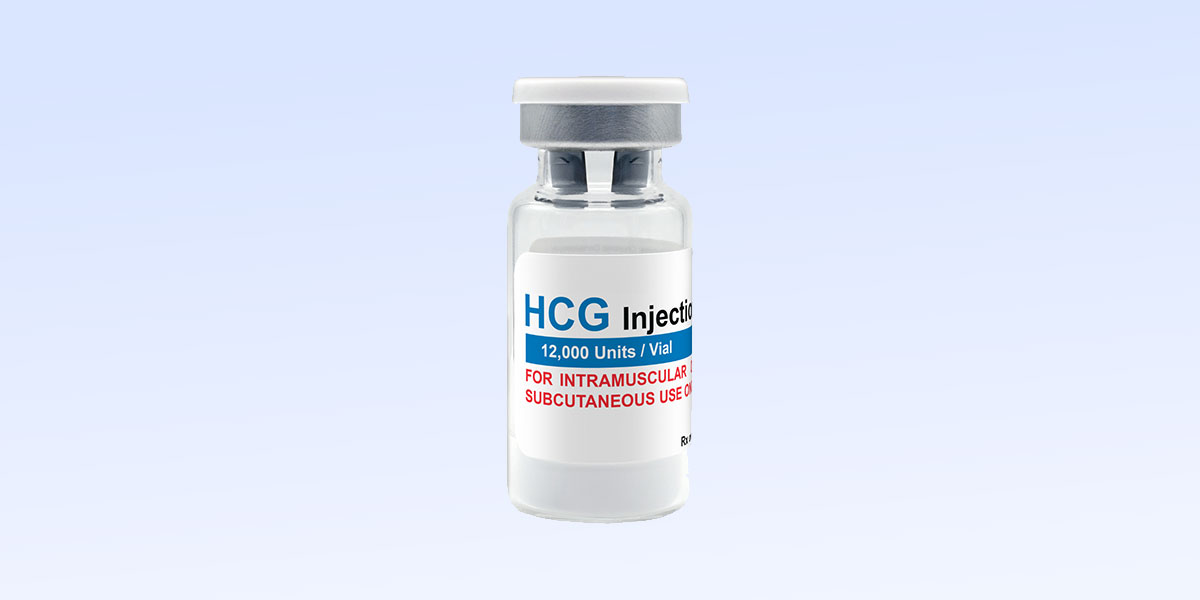
Exploring hCG as a Potential Treatment for PFS: A Cautious Perspective
At SIDEfxHUB, we aim to provide balanced and cautious information to our community about potential treatments for Post-Finasteride Syndrome (PFS). One treatment that has gained some attention is human chorionic gonadotropin (hCG). While there have been anecdotal reports of hCG helping some PFS patients, it’s important to emphasize that we do not have hard data to confirm its efficacy. Therefore, this article is intended to inform rather than encourage experimentation without professional guidance.
Disclaimer
SIDEfxHUB is a charity focused on raising awareness about post-drug syndromes such as PFS, PSSD and PAS, as well as supporting research through fundraising efforts. While we offer support and guidance based on the experiences of the PFS patient community, we are not medical professionals. The information in this article is not a substitute for professional advice. Always consider discussing your situation with a healthcare provider, especially before making any significant decisions.
The Theory Behind hCG and PFS
hCG is a hormone that is naturally produced during pregnancy. It mimics the effects of luteinizing hormone (LH), which stimulates the testes to produce testosterone. Some believe that hCG might help PFS patients by boosting testosterone levels and potentially correcting hormonal imbalances that have been disrupted by finasteride use. However, this is a theory, and its effectiveness in treating PFS is not scientifically proven.
Several studies have explored the use of hCG in different contexts, providing some insight into how it works and its potential effects:
- The Safety of Human Chorionic Gonadotropin Monotherapy Among Men With Previous Exogenous Testosterone Use
- Efficacy and Safety of Human Chorionic Gonadotropin Monotherapy for Men With Hypogonadal Symptoms and Normal Testosterone
- Low-Dose Human Chorionic Gonadotropin Maintains Intratesticular Testosterone in Normal Men with Testosterone-Induced Gonadotropin Suppression
- Evidence for, and Associated Risks with, the Human Chorionic Gonadotropin Supplemented Diet
Anecdotal Reports from PFS Patients
Here are some examples of PFS patients who have reported positive experiences with hCG treatment. Please note that these are individual accounts, and results may vary:
1. Improvement in Energy Levels and Mood
“I’ve been on hCG for about six months now, and I’ve noticed a significant improvement in my energy levels and mood. It’s not a complete cure, but it has made my symptoms more manageable.” – PFS Patient, United Kingdom
2. Enhanced Libido and Sexual Function
“After trying various treatments, hCG was the first thing that actually helped with my sexual symptoms. My libido has improved, and I feel more like my old self.” – PFS Patient, United States
3. Increased Testosterone and Overall Well-being
“hCG has made a noticeable difference in my life. My testosterone levels are up, and I have more energy throughout the day. It’s not perfect, but it’s better than where I was.” – PFS Patient, Canada
Potential Benefits and Risks of hCG Treatment
While some patients have reported benefits from hCG, it’s crucial to understand the potential risks and downsides as well:
-
Potential Benefits:
-
May increase testosterone levels.
-
Could improve symptoms such as low libido, energy levels, and mood.
-
Might help in managing some aspects of hormonal imbalance.
-
Potential Risks:
-
Risk of exacerbating hormonal imbalances.
-
Potential side effects such as gynecomastia (enlarged breast tissue), headaches, or mood swings.
-
Long-term effects are unknown, and the treatment could cause unforeseen complications.
A Cautious Approach
We understand that living with PFS can be incredibly challenging, and the search for effective treatments is ongoing. However, we urge caution when considering hCG or any other hormonal treatments. Given the delicate hormonal balance in PFS patients, any treatment that affects this balance should be approached with care.
If you are among those considering hCG, it is extremely important that you discuss this with your doctor or a professional medical specialist, such as an endocrinologist. Do not start any new treatment without professional guidance, as the risks may outweigh the potential benefits.
Resources for Support
For more information and to connect with others who are navigating similar challenges, consider the following resources:
- What is PFS? An Introduction to the Risks of Taking Finasteride
- Join Our WhatsApp Peer Support Groups
While hCG may offer hope to some, it’s essential to proceed with caution and prioritize your health above all else. We are here to support you, but please remember that your healthcare provider is the best source of advice when it comes to managing your condition.
This information does not replace medical advice. Talk to your doctor before you make any decision about your treatment.
610+ people have joined the community.
Join them, then report your side effects.
Free. Sign up takes 2 minutes.