Is Post-Finasteride Syndrome Linked to Autoimmune Activity?
Wondering if PFS is linked to autoimmune activity? Explore the connection between finasteride and immune responses. Learn more here.
SIDEfxHUB is a patient charity. We are not health professionals, and this does not replace medical advice. Don't start, stop or change any medicine because of what you read here. Talk to your doctor first.
If you are in crisis:116 123 Samaritans (UK)988 Lifeline (US)Find a helpline
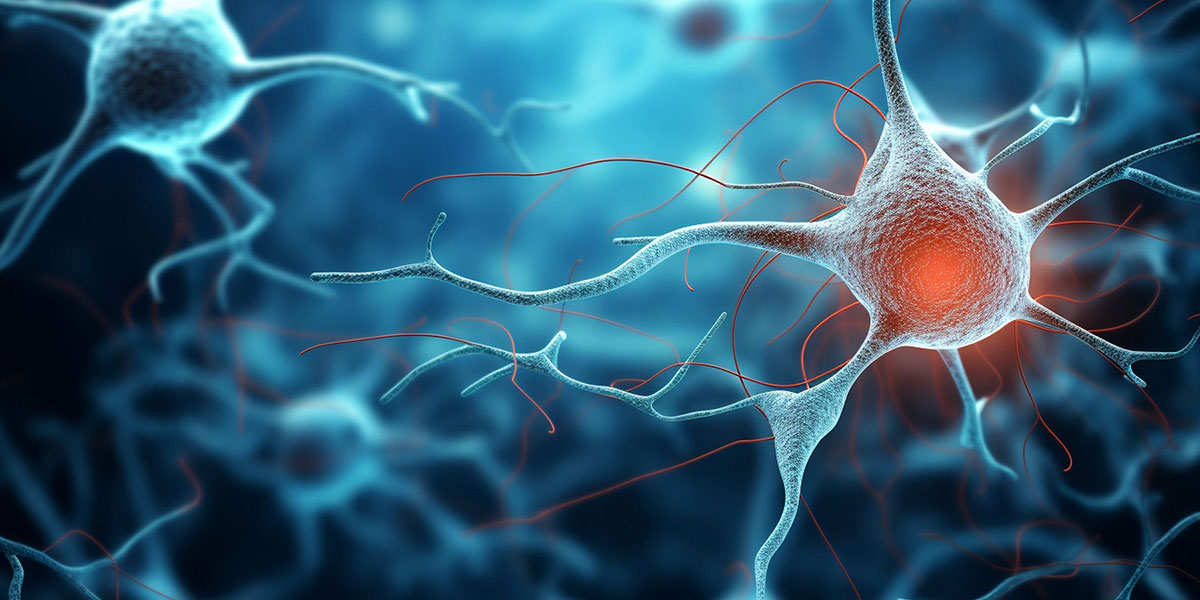
Imagine a medication designed to improve your life instead leaves you grappling with a cascade of persistent, life-altering symptoms. This is the harsh reality for those affected by Post-Finasteride Syndrome (PFS). As more individuals come forward with stories of sexual dysfunction, cognitive decline, chronic pain, and severe depression after using finasteride, the medical community is left to unravel a perplexing puzzle. One emerging theory suggests that PFS may not just be a lingering side effect but could instead be an autoimmune disorder triggered by the drug itself.
The Autoimmune Hypothesis
Autoimmune diseases occur when the immune system mistakenly attacks the body’s own tissues, leading to inflammation and damage. Conditions like rheumatoid arthritis, lupus, and multiple sclerosis are well-known examples. The idea that PFS could be an autoimmune disorder stems from the observation that some of its symptoms resemble those found in autoimmune conditions. For instance, the persistent inflammation observed in some PFS patients could indicate an immune system response gone awry.
Finasteride works by inhibiting the enzyme 5-alpha-reductase, which is responsible for converting testosterone into dihydrotestosterone (DHT). While this mechanism is effective for treating conditions like hair loss, it also alters the hormonal balance within the body, potentially leading to unintended consequences. One speculative theory is that this disruption could trigger an immune response, with the body recognizing its own tissues—possibly those associated with androgen receptors—as foreign and attacking them.
Inflammation and Immune Response
Inflammation is a key feature of many autoimmune diseases. It’s the body’s natural response to injury or infection, but when it becomes chronic, it can cause tissue damage and contribute to the progression of disease. There is some evidence to suggest that PFS may involve chronic inflammation. Patients have reported symptoms such as joint pain, muscle aches, skin rashes, gastrointestinal issues, and fatigue, which are commonly associated with inflammatory conditions.
Moreover, inflammation could play a role in the neurological and psychiatric symptoms of PFS. Chronic inflammation in the brain, known as neuroinflammation, has been linked to depression, anxiety, cognitive decline, insomnia, and even suicidal ideation. If PFS does involve an autoimmune process, it’s possible that neuroinflammation could be contributing to the mental health challenges experienced by many PFS patients.
Androgen Receptors and Autoimmunity
Another intriguing possibility is a connection between androgen receptor (AR) irregularities and autoimmune activity. Androgen receptors are critical for the body’s response to hormones like testosterone and DHT. Research has shown that in some PFS patients, there may be abnormalities in AR expression or function. Could these irregularities be triggering an autoimmune response?
In some autoimmune disorders, specific proteins in the body are mistakenly targeted by the immune system. If finasteride alters the normal function or expression of ARs, this could potentially expose these receptors to immune system attack. Alternatively, the changes induced by finasteride might lead to the production of novel antigens—substances that the immune system recognizes as foreign—which could trigger an autoimmune reaction.
A Call for Further Research
While the autoimmune hypothesis is speculative, it opens up new avenues for research into PFS. If future studies can establish a link between finasteride use, androgen receptor irregularities, and autoimmune activity, this could revolutionize our understanding of the condition and pave the way for new treatments. For example, if PFS is indeed an autoimmune disorder, therapies aimed at modulating the immune system—such as immunosuppressants or biologics—might prove effective.
At this stage, it’s important to note that these ideas are theoretical and require rigorous scientific investigation. However, given the complexity of PFS and the significant impact it has on patients’ lives, exploring the possibility of an autoimmune component could be a crucial step toward uncovering the root cause of this condition.
Conclusion
The possibility that Post-Finasteride Syndrome could be an autoimmune disorder is an intriguing hypothesis that warrants further exploration. The potential connection between finasteride-induced changes in androgen receptors, chronic inflammation, and autoimmune activity offers a new perspective on this poorly understood condition. As research continues, it is hoped that these speculative ideas will lead to a deeper understanding of PFS and ultimately, to more effective treatments for those affected.
Join the Effort
For those affected by PFS, staying informed and connected with the community is vital. Join the PFS/PSSD community to receive updates on research and advocacy. Additionally, join our WhatsApp peer support groups to connect with others facing similar challenges.
Finally, please remember to report your side effects to your national regulator, as this is crucial for gaining recognition and driving change.
This information does not replace medical advice. Talk to your doctor before you make any decision about your treatment.
610+ people have joined the community.
Join them, then report your side effects.
Free. Sign up takes 2 minutes.