Is Finasteride Safe? Understanding the Risks and Benefits
Is finasteride safe? Its benefits, its side effects and the risk of Post-Finasteride Syndrome (PFS), so you can make an informed choice.
SIDEfxHUB is a patient charity. We are not health professionals, and this does not replace medical advice. Don't start, stop or change any medicine because of what you read here. Talk to your doctor first.
If you are in crisis:116 123 Samaritans (UK)988 Lifeline (US)Find a helpline
Introduction to Finasteride
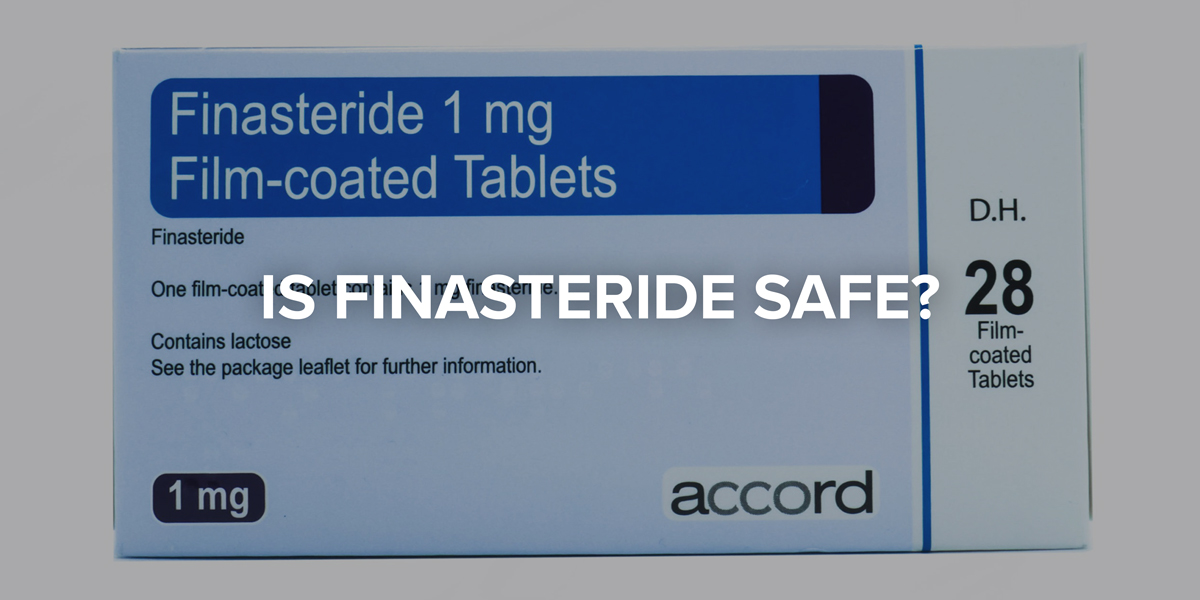
Finasteride, marketed under brand names like Propecia and Proscar, is a popular medication prescribed for male pattern hair loss (androgenetic alopecia) and benign prostatic hyperplasia (BPH), or enlarged prostate. While effective for many users, finasteride has been linked to a range of side effects, including some that may persist even after discontinuation, known as post-finasteride syndrome (PFS). This article aims to provide a balanced view of finasteride’s safety profile to help patients make informed decisions.
How Finasteride Works
Finasteride is a 5-alpha reductase inhibitor that works by blocking the conversion of testosterone into dihydrotestosterone (DHT). DHT plays a central role in hair loss and prostate growth, so reducing DHT can be effective for treating both conditions. However, altering DHT levels may also impact other bodily systems, potentially leading to side effects.
Common Side Effects of Finasteride
As with any medication, finasteride can cause side effects. The most common side effects include:
- Sexual Dysfunction: Many users report decreased libido, erectile dysfunction, and reduced ejaculatory volume. While these symptoms often resolve after stopping the medication, some individuals experience persistent sexual side effects.
- Breast Changes: Some men may experience breast tenderness, enlargement, or gynecomastia (breast tissue growth), though these side effects are relatively rare.
- Testicular Pain: While uncommon, some users have reported testicular discomfort while on finasteride.
Serious Risks: Depression, Suicidality, and Anxiety
One of the most concerning risks associated with finasteride is its potential impact on mental health. Some users report symptoms of depression, anxiety, and even suicidal thoughts. While these symptoms are not common, they have been significant enough for regulatory agencies to issue warnings:
- The UK’s Medicines and Healthcare products Regulatory Agency (MHRA) issued a warning about persistent psychiatric and sexual side effects linked to finasteride, including the potential for suicidal thoughts.
- The French National Agency for Drug Safety (ANSM) has also recommended discontinuing finasteride if psychiatric symptoms arise.
These warnings emphasize the importance of monitoring mental health while on finasteride and seeking prompt help if symptoms develop. For further details, see the Propecia, Depression & Suicide article.
Persistent Side Effects: Post-Finasteride Syndrome (PFS)
Some former finasteride users report lingering side effects even after stopping the medication, a condition known as Post-Finasteride Syndrome (PFS). PFS symptoms can include persistent sexual dysfunction, mood disorders, and cognitive impairment. Currently, the exact cause of PFS is not fully understood, and there is ongoing debate within the medical community about its prevalence and management.
Do you want to run the risk of getting PFS? You will be on your own.
For those who develop PFS, treatment options are limited, and the condition can be difficult to manage. Unfortunately, many who suffer from PFS find themselves without a clear path for relief, facing a challenging journey to manage persistent symptoms.
Scientific Studies on Finasteride Safety
Several studies have explored finasteride’s safety profile, particularly concerning its psychiatric and sexual side effects:
- Melcangi et al. (2013): This study examined neuroactive steroid levels in finasteride users, finding alterations in cerebrospinal fluid and plasma that may explain the persistence of symptoms like depression and anxiety.
- Irwig, MS (2012): This research linked finasteride use to depressive symptoms and suicidal thoughts, even after discontinuing the medication.
- Rahimi-Ardabili et al. (2006): A prospective study that found significant associations between finasteride and depressive symptoms in users, highlighting the need for caution in prescribing.
Important Questions to Consider
Anyone considering finasteride should reflect on these key questions before starting the medication:
- Do we know if finasteride is safe in the long term? While many users may tolerate finasteride without severe side effects, long-term safety remains an area of concern, especially given reports of persistent side effects.
- Can we trust pharma companies? Pharmaceutical companies are responsible for disclosing risks, but some patients feel that risks like PFS have not been fully addressed. Transparency and thorough data are crucial for informed choices.
- Can we trust telehealth companies and online pharmacies? The convenience of telehealth and online prescriptions raises questions about adequate screening and monitoring, which can be crucial for medications with known risks like finasteride.
Regulatory Actions and Recommendations
In response to the growing body of evidence on finasteride’s side effects, regulatory bodies have taken several actions:
- Warning Labels: Finasteride packaging now includes warnings about potential psychiatric and sexual side effects.
- Patient Information Cards: In some regions, patients receive information cards outlining the risks associated with finasteride.
- Guidelines for Prescribers: Agencies like the MHRA recommend that healthcare providers assess mental health history before prescribing finasteride and closely monitor patients for symptoms during use.
Weighing the Risks and Benefits of Finasteride
Despite these risks, finasteride remains an effective option for many individuals, particularly those with significant hair loss or prostate issues. For some, the benefits of using finasteride may outweigh the potential risks, while others may prefer to explore alternative treatments. Open communication with a healthcare provider is essential to make an informed choice that aligns with one’s personal health priorities.
Alternatives to Finasteride
If you are concerned about finasteride’s risks, there are alternative treatments for both hair loss and BPH:
- Minoxidil: An over-the-counter topical treatment for hair loss that does not affect hormone levels.
- Hair Transplants: A permanent solution for hair loss, although it is a more invasive and costly option.
- Herbal Supplements: Some herbal treatments, like saw palmetto, are claimed to support hair health, though evidence is limited.
It is important to discuss these alternatives with a healthcare provider to ensure they are appropriate for your specific health needs.
Conclusion: Is Finasteride Safe?
Finasteride is a potent and effective medication for hair loss and BPH, but it carries a risk profile that requires careful consideration. For some, the benefits may justify the risks, while others may find the potential for long-term side effects too great. Anyone considering finasteride should thoroughly discuss its risks and benefits with a healthcare provider and remain vigilant for any symptoms. In the end, your health and well-being are paramount, and making an informed choice is key.
This information does not replace medical advice. Talk to your doctor before you make any decision about your treatment.
610+ people have joined the community.
Join them, then report your side effects.
Free. Sign up takes 2 minutes.