Doug Bremner on Accutane, PAS and the brain
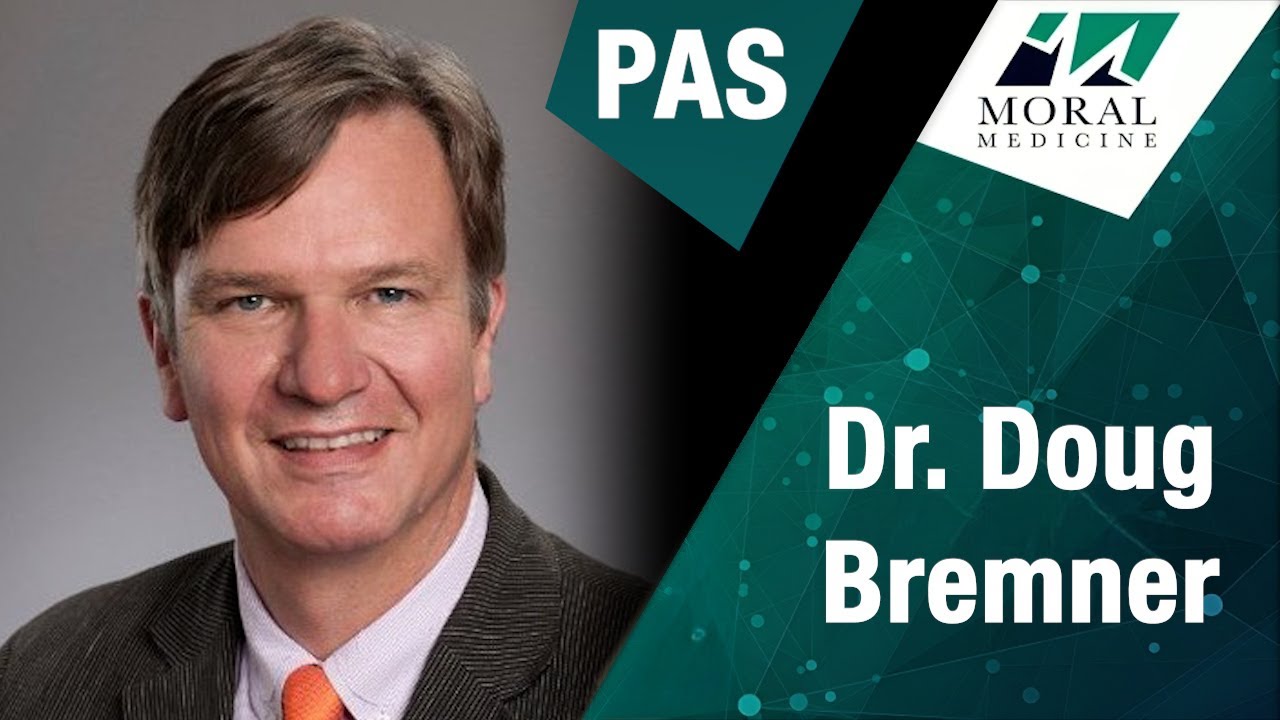
Doug Bremner, a professor of psychiatry and radiology at Emory University, talks about his brain-imaging research on Accutane, and about PAS.
SIDEfxHUB is a patient charity. We are not health professionals, and this does not replace medical advice. Don't start, stop or change any medicine because of what you read here. Talk to your doctor first.
If you are in crisis:116 123 Samaritans (UK)988 Lifeline (US)Find a helpline
This is coverage by another outlet. We link to it because it reports on PFS, PSSD or PAS — the reporting and any views in it are the publisher's, not ours.
Brain scans and Accutane
In this interview, Doug Bremner talks about his research on the psychiatric risks of isotretinoin (Accutane), and about Post-Accutane Syndrome (PAS). He is a professor of psychiatry and radiology at Emory University.
He describes a brain-imaging study that compared 13 people taking Accutane with 15 taking an antibiotic, during treatment. He says it showed changes in a part of the brain called the orbitofrontal cortex.
What else the interview covers
- The pushback he says he faced from industry and from colleagues.
- The part he believes propaganda played in hiding findings that were inconvenient.
- The parallels he draws between Accutane, finasteride and SSRIs, and between the conditions reported after each: PAS, Post-Finasteride Syndrome (PFS) and Post-SSRI Sexual Dysfunction (PSSD).
- His book, The Goose That Laid the Golden Egg, which has been made into a film. The video includes the film’s trailer.
Moral Medicine describes the book as an account of the medical and system failures that kept these risks hidden for decades.
Thank you to Doug Bremner for this interview. It was recorded by Moral Medicine, who have filmed more than ninety of these conversations.
If you appear in this interview and would rather this page was not here, write to contact@sidefxhub.com. We will take the page down within 48 hours, and you do not have to tell us why.
This information does not replace medical advice. Talk to your doctor before you make any decision about your treatment.
610+ people have joined the community.
Join them, then report your side effects.
No diagnosis needed. Researchers never see your name.