Propecia and Male Fertility
Propecia and male fertility: what studies show about finasteride, sperm count and sperm quality, and how far the effects appear reversible.
SIDEfxHUB is a patient charity. We are not health professionals, and this does not replace medical advice. Don't start, stop or change any medicine because of what you read here. Talk to your doctor first.
If you are in crisis:116 123 Samaritans (UK)988 Lifeline (US)Find a helpline
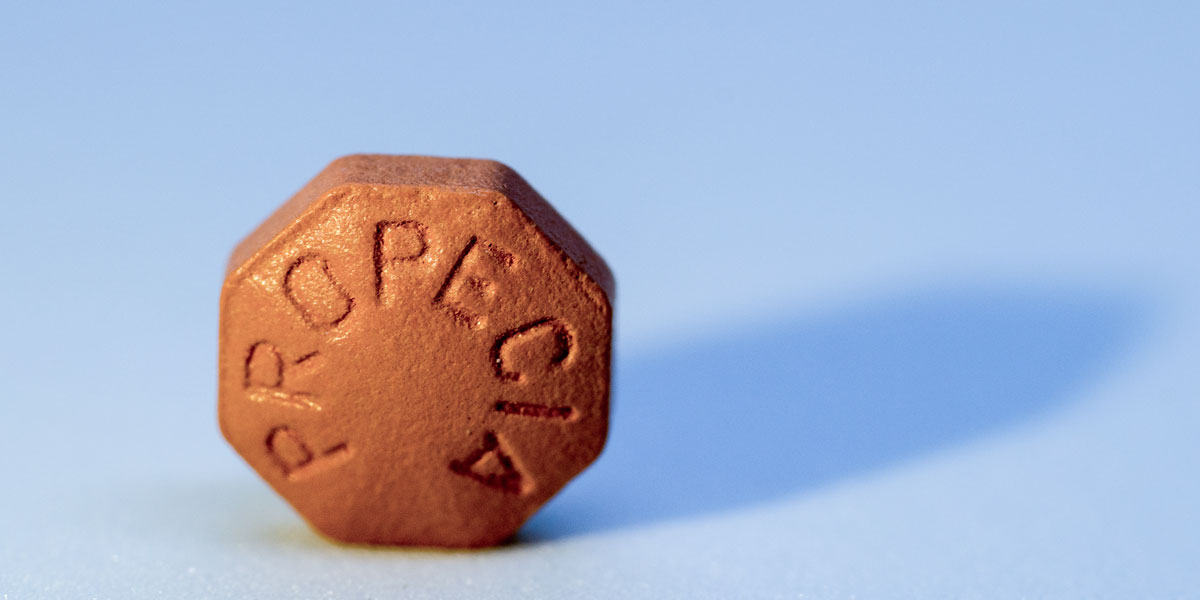
Propecia, also known as finasteride, is a popular treatment for male pattern baldness. While it reduces hair loss, concerns about its impact on male fertility have emerged. This article explores how Propecia affects fertility, backed by research and expert opinions.
Impact on Sperm Production and Quality
Studies show that finasteride can affect sperm production and quality. According to a study published by the National Institutes of Health, men taking finasteride experienced a significant reduction in sperm count. Another study on PubMed found changes in sperm shape and movement, making it harder for sperm to fertilize an egg.
Reversibility of Effects
The good news is that these effects are often reversible. The NHS notes that sperm counts often return to normal within a few months after stopping finasteride. However, this can vary based on how long you’ve been taking the medication and the dosage. For those who develop Post-Finasteride Syndrome after taking Propecia, the sperm production issue seems to be a persistent issue that never goes away.
Talking to Your Doctor
If you’re planning to conceive, discuss finasteride’s risks with your doctor. They might suggest stopping the medication or exploring other hair loss treatments. Regular sperm tests can help monitor any changes while on finasteride.
Conclusion
Propecia can significantly impact male fertility, including reducing sperm count and altering sperm quality. These effects are usually reversible, but men trying to conceive should weigh the risks. Talking to a healthcare provider and regular monitoring can help manage these concerns.
For more information, check out the sources used in this article:
- NHS on Finasteride and Male Fertility
- NIH Study on Finasteride’s Impact on Sperm
- PubMed Study on Finasteride and Sperm Quality
By staying informed and consulting with medical professionals, men can make educated decisions about using Propecia and its potential impact on their fertility.
This information does not replace medical advice. Talk to your doctor before you make any decision about your treatment.
610+ people have joined the community.
Join them, then report your side effects.
Free. Sign up takes 2 minutes.